

Business owners are now beginning to prepare a number of anticipatory measures in response to the 2026 wage increase following the ratification of the Government Regulation (PP) on Wages. This has the potential to increase production costs for companies and add to the burden on businesses amid uncertain economic conditions.
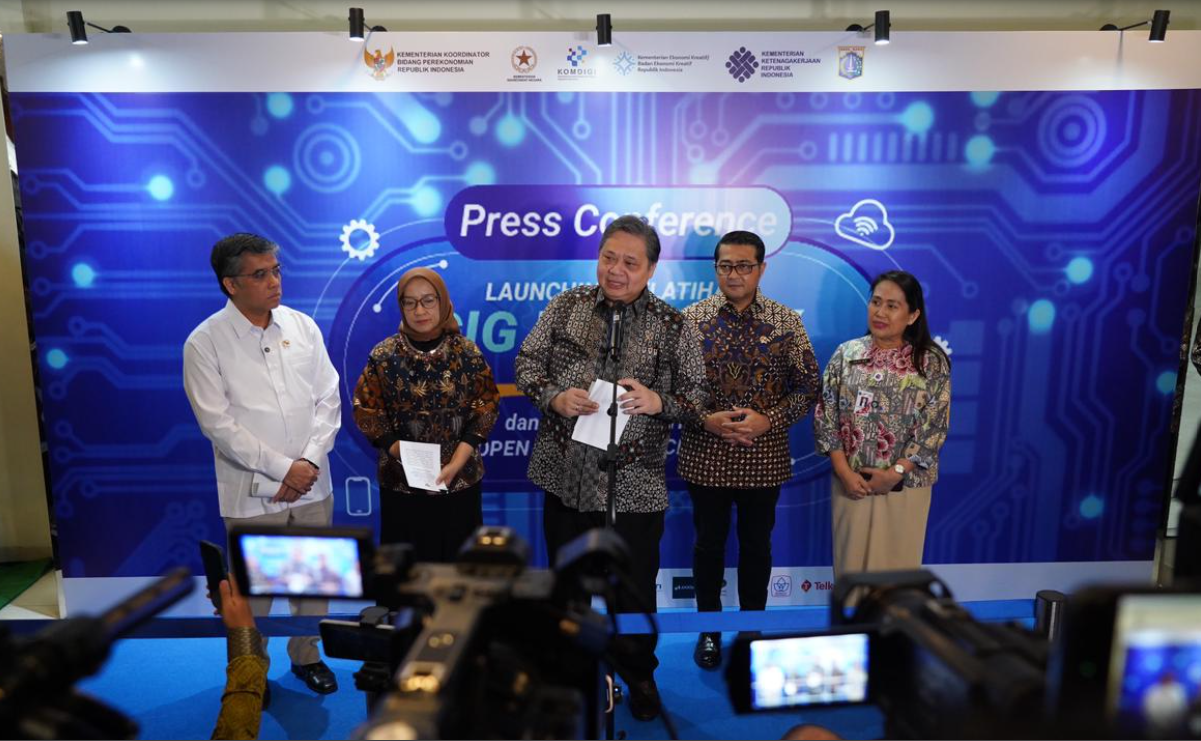
The Ministry of Manpower announced that the Presidential Regulation on Wages had been signed by President Prabowo Subianto on Tuesday (16/12). The regulation will serve as a reference for determining the 2026 Provincial Minimum Wage (UMP) increase.
"The process of drafting this Government Regulation on Wages has undergone lengthy review and discussion, and the results have been reported to the President," said Minister of Manpower Yassierli in a press release received by SUAR Jakarta on Wednesday (12/17/2025).
He said that the formulation of this formula had taken into account the input and aspirations of various parties, particularly from the Pekerta Union.
"Finally, the President decided on a wage increase formula of Inflation + (Economic Growth x Alpha) with an Alpha range of 0.5 - 0.9," said Yassierli.
The alpha index is a key variable used to determine the extent of labor's contribution to economic growth in a region.
The calculation of the minimum wage increase will be carried out by the Regional Wage Council, to be submitted as a recommendation to the Governor.
Furthermore, each provincial governor must set the 2026 Provincial Minimum Wage (UMP) and Provincial Sectoral Minimum Wage (UMSP) by December 24, 2025, at the latest.
Based on the calculation formula in the Government Regulation, the increase in the 2026 UMP/UMSP ranges from 5.24-7.25% of this year's amount.
The PP on Wages also regulates:
- The governor is required to set the Provincial Minimum Wage (UMP) and may set the Regency/City Minimum Wage (UMK).
- The governor is required to set the Provincial Sectoral Minimum Wage (UMSP) and may also set the Regency/City Sectoral Minimum Wage (UMSK).
Supporting policies are essential to ensure that the increase does not burden business competitiveness while maintaining workers' purchasing power.
"We hope that the wage policy outlined in the Wage Regulation will be the best policy for all parties," said Yassierli.
Hinder investment
Anton Supit, a member of the Indonesian Employers Association (Apindo) Expert Council, said that the increase in the Provincial Minimum Wage (UMP) greatly affects the investment climate in Indonesia.
Anton explained that wages have become a major consideration for investors entering Indonesia. If wage increases are balanced with productivity, it will not be a big problem, but if the increases are not balanced with productivity, investors will suffer huge losses.
"Apindo has long discussed the issue of wages, the point being that wage increases should not cause investors to leave Indonesia," he told SUAR Jakarta (17/12).
He said that in order for this wage increase to be fair to all parties, bipartite discussions are needed where the issue of wage increases is discussed directly between employers and workers (labor unions) to make it more realistic.
The government needs to strike a balance between fair wages for workers and business sustainability.
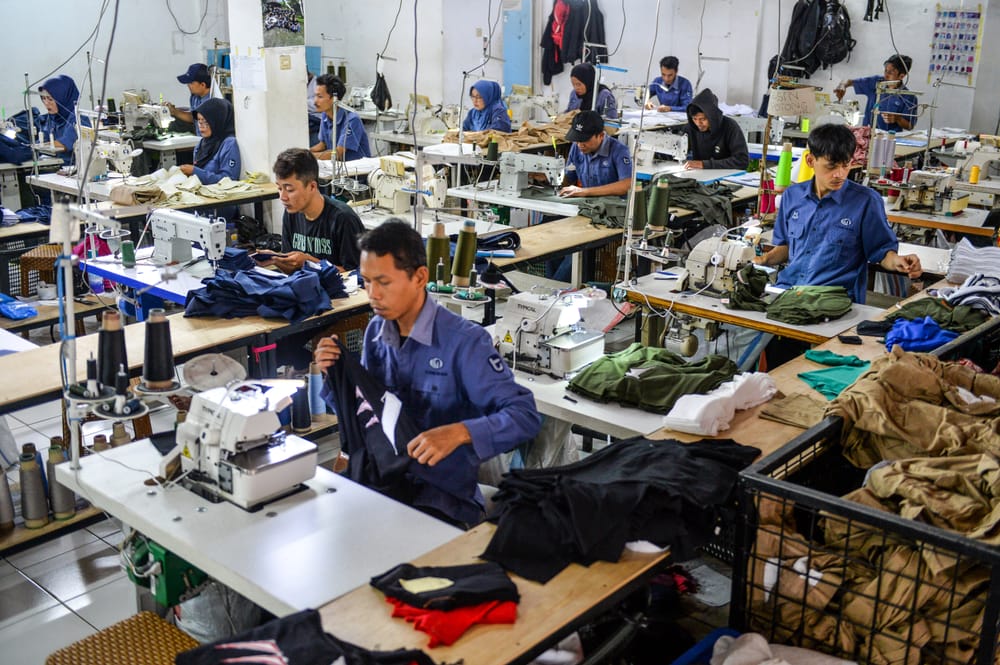
A similar sentiment was expressed by Nurdin Setiawan, Deputy Chairman of the Indonesian Garment and Textile Association's Labor and Human Resource Development Division, who stated that a minimum wage increase of more than 5% would have a significant impact on production costs, especially for labor-intensive industries.
"One of them is higherlabor costs due to the increase in the minimum wage, which also has a systemic impact on BPJS Ketenagakerjaan contributions, which are borne by companies at 6.24% of the total minimum wage increase, and BPJS Kesehatan contributions of 4%, bringing the total additional cost to 10.24% plus the minimum wage increase," Nurdin told SUARon Wednesday (12/17/2025).
Read also:
 Benedictus Krisna Yogatama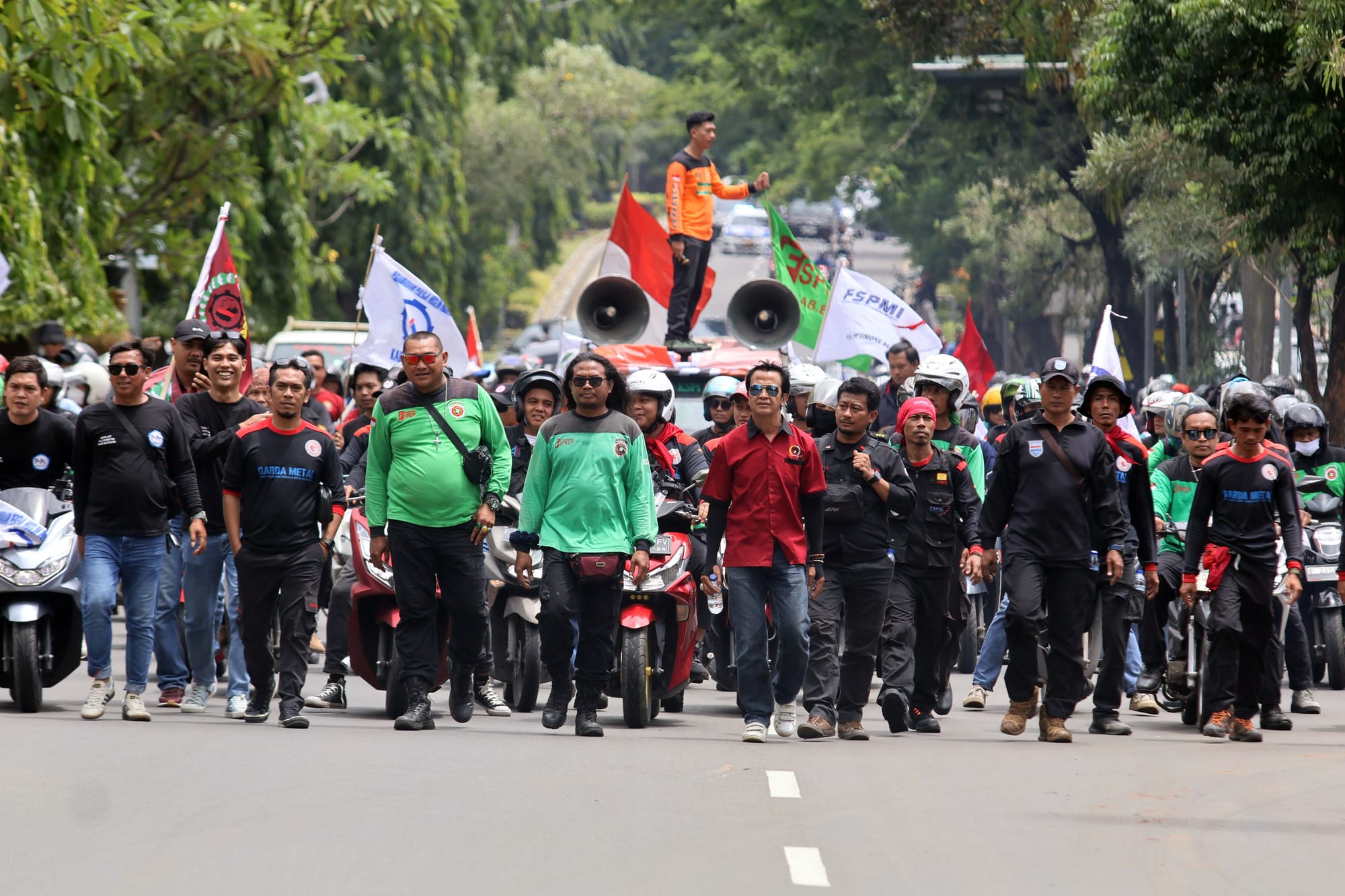
As a garment business owner, Nurdin added that labor costs in labor-intensive industries are already above 18%. As a result, the minimum wage increase of between 5.24% and 7.25% based on the formula in the Government Regulation on Wages will burden the business world if it is not offset by increases in productivity and efficiency in other production costs, such as electricity, gas, and logistics costs.
"However, with the PP that has been issued with an alpha range of 0.5-0.9, at least the increase can be made with the lowest alpha of 0.5 or a maximum wage increase of 5% in order to maintain the company's competitiveness and the purchasing power of workers," said Nurdin.
Accepted with reservations
The President of the Confederation of Indonesian Trade Unions (KSPI) and the Labor Party, Said Iqbal, said that his party accepted the alpha index range of 0.5-0.9, with the stipulation that the highest index must be used.
"Seeing this, we can accept 0.5 - 0.9, but with the stipulation that KSPI will call on and instruct all laborers and workers to fight for a specific index figure of 0.9," Said said in a press conference in Jakarta on Wednesday.
Previously, KSPI recommended a 4-point wage increase:
- 6.5% increase (at least the same as last year)
- A 6%–7% increase is a moderate range that maintains workers' purchasing power.
- An increase of 6.5%–6.8% as a realistic and measurable compromise option
- Increase with a specific index of 0.7–0.9, not 0.3–0.8
"It appears that the government has chosen the fourth option, but the lower interval is only 0.5. We also earnestly request that governors not change this index value if regents and mayors have already agreed to it," he said.
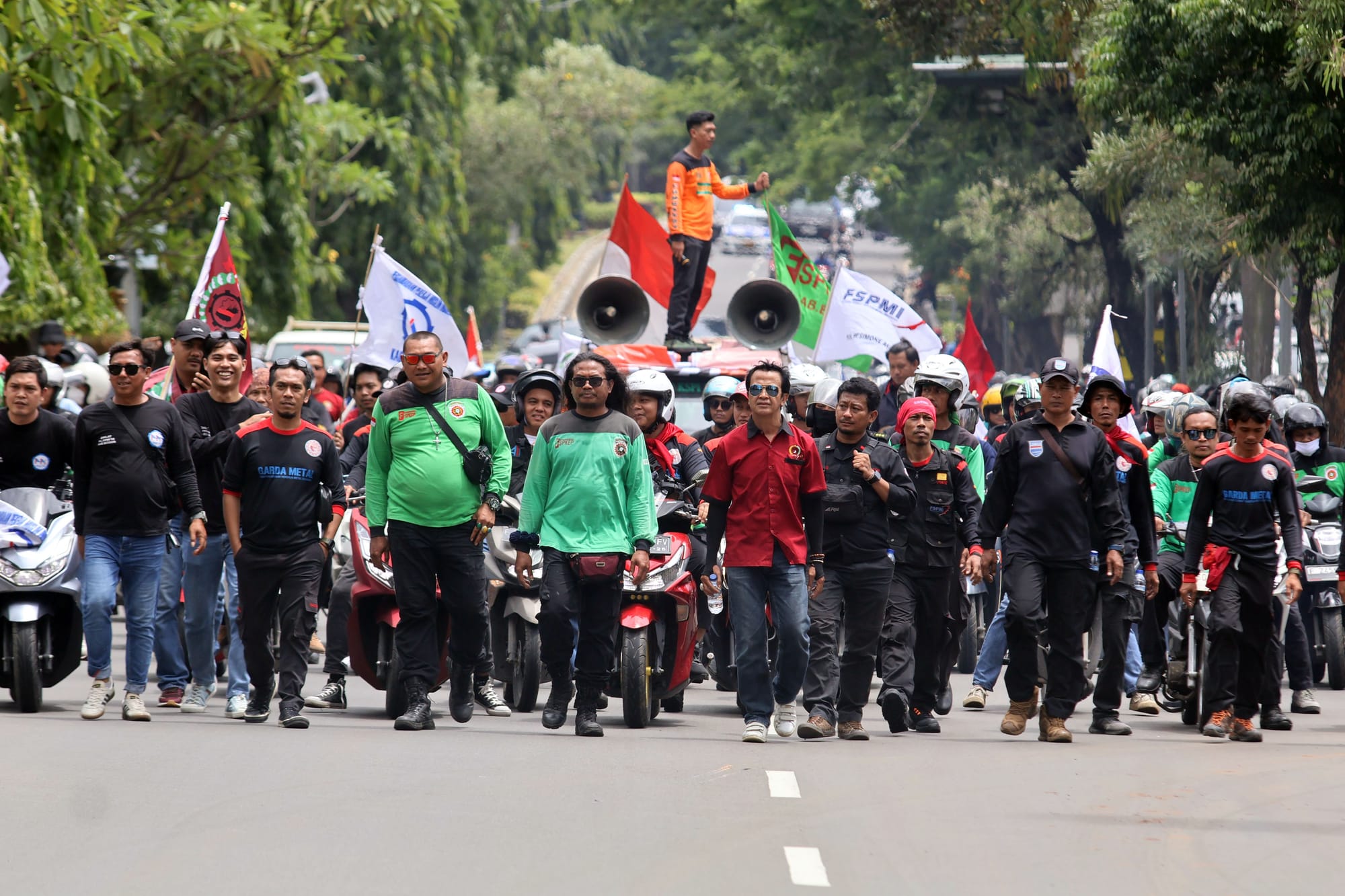
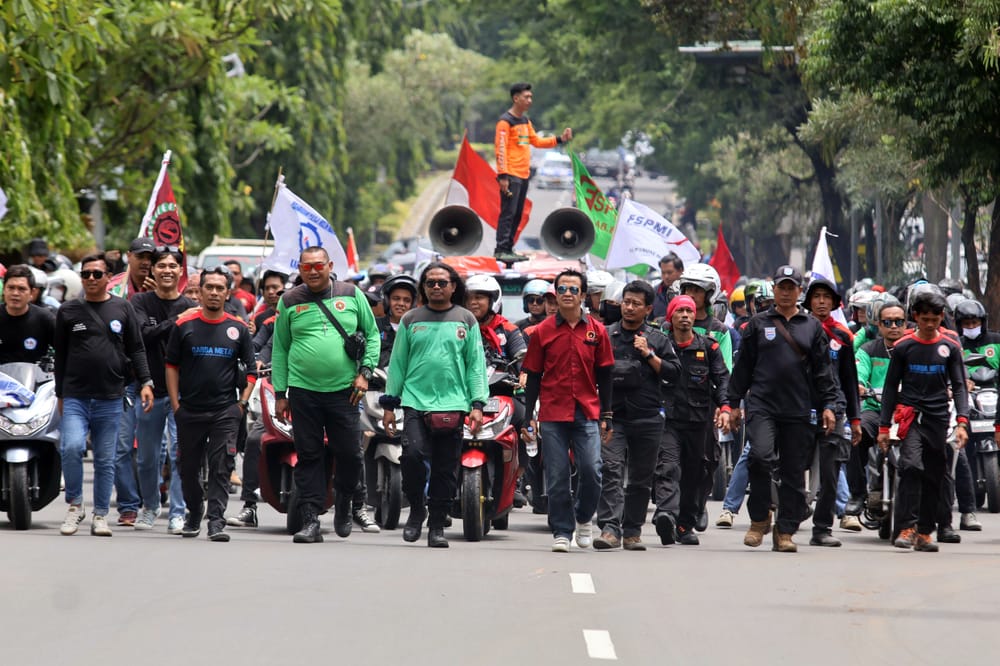
As a result, the national labor demonstration planned for Friday, December 19, 2025, has been canceled. Meanwhile, workers in DKI Jakarta and Banten will continue to hold demonstrations in their respective areas on December 19.
According to data from the Central Statistics Agency (BPS), the cost of living for Jakarta residents in 2022 will reach Rp14.88 million per month, far exceeding the DKI Jakarta Provincial Minimum Wage (UMP) set at Rp5,396,761 for 2025.
With a 6.9 percent increase, he said, next year's minimum wage in DKI will be Rp5,769,137.
Padang Wicaksono, a lecturer in labor economics at the Faculty of Economics and Business, University of Indonesia, appreciates the issuance of this Government Regulation on Wages because it specifically regulates the calculation of UMP increases.
"We need to appreciate the government's efforts in providing legal certainty through a clear alpha range (0.5–0.9). For the business world, predictability is key in preparing annual budgets so that there are no sudden cost fluctuations," said Padang when contacted SUAR.
In addition to providing predictability, the determination of the 2026 UMP, which begins to use economic growth variables in the calculation formula, also demonstrates good intentions so that workers do not merely "survive" on wage increases in line with inflation, but also enjoy the distribution of prosperity through real wage increases.
However, Padang questioned the extent to which the alpha index of 0.5-0.9 truly reflects the contribution of labor productivity to economic growth in each sector.
"Periodic evaluation and transparency in determining this index are important so that the range does not simply become a 'political compromise', but is based on accurate productivity data in each region," he said.
Padang believes that the formula for calculating the 2026 UMP tends to bea one-size-fits-all approach that flattens the wage calculation mechanism, whereas the government needs to consider additional mechanisms for labor-intensive sectors or sectors that are under global pressure, so that this increase does not trigger labor efficiency (layoffs) in certain industries.
"Without price controls, wage increases could quickly be eroded by rising living costs. Theoretically, this is a step forward in harmonizing industrial relations, but the effectiveness of its implementation depends on oversight in the field and supporting policies to maintain price stability," he concluded.
Ridho Syukra contributed to this article.