
Historically, Indonesia has recorded economic growth of 8% through optimal total factor productivity (TFP). TFP can be boosted through strengthening research and development (R&D), thereby encouraging industrialization, which ultimately drives economic growth.
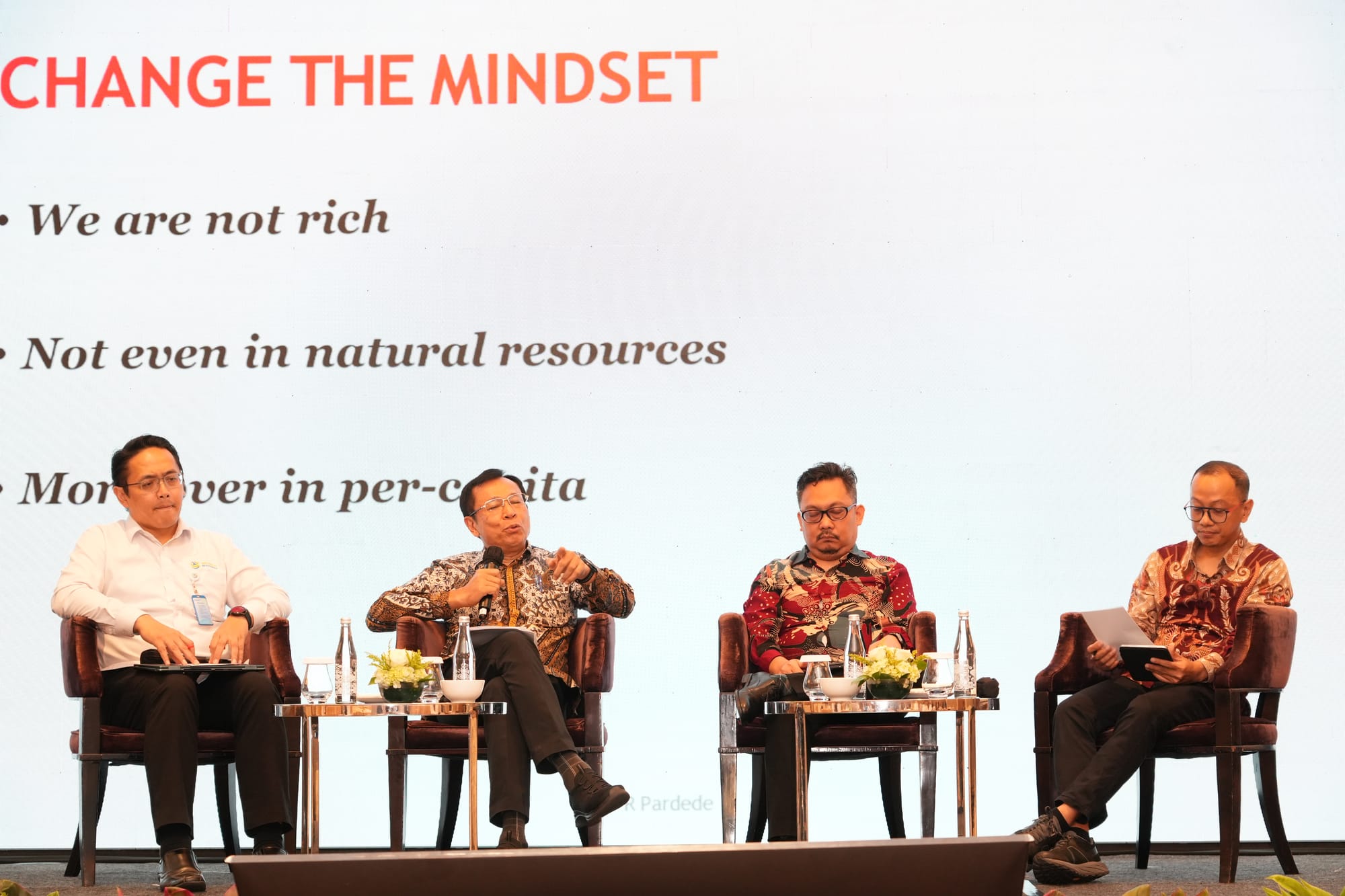
Raden Pardede, Expert Staff to the Coordinating Minister for Economic Affairs, stated that Indonesia's dependence on natural resource reserves has trapped the country in an illusion of false wealth and caused it to neglect the role of technology and industrial innovation. As a result, Indonesia is struggling to achieve its growth targets, which are only possible if the domestic industry is truly strong.
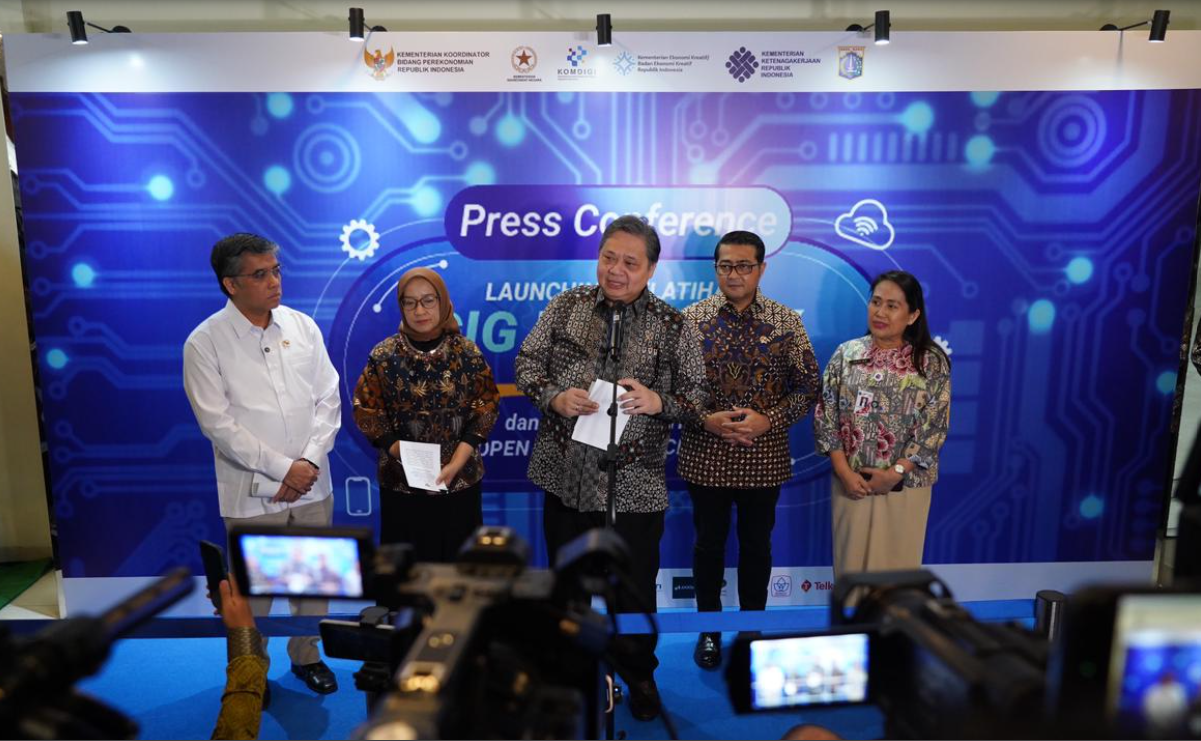
"When Indonesia's economy grew by 8.2% between 1971 and 1975, it was due tototal factorproductivity (TFP). Since 1998, the contribution of TFP has declined, indicating that industrialization has tended to weaken in terms of both quantity and contribution to GDP," said Pardede while presenting at a panel session of the seminar "Industrial Policy: Improving Productivity through Innovation and R&D" in Jakarta on Monday (12/15/2025).
TFP is a measure of the efficiency and effectiveness of all factors of production (such as capital and labor) in generating goods and services. An increase in TFP means that the same unit of input can now produce more output. This is a key indicator of technological progress and increased efficiency in an economy.
Pardede explained that, beyond mere dependency, the decline in TFP contribution has led to inefficient allocation of natural resources, uncompetitive human resources, and delayed R&D development.
In fact, Pardede emphasized that without increasing TFP, Indonesia would not escape themiddle income trap, let alone achieve 8% growth.
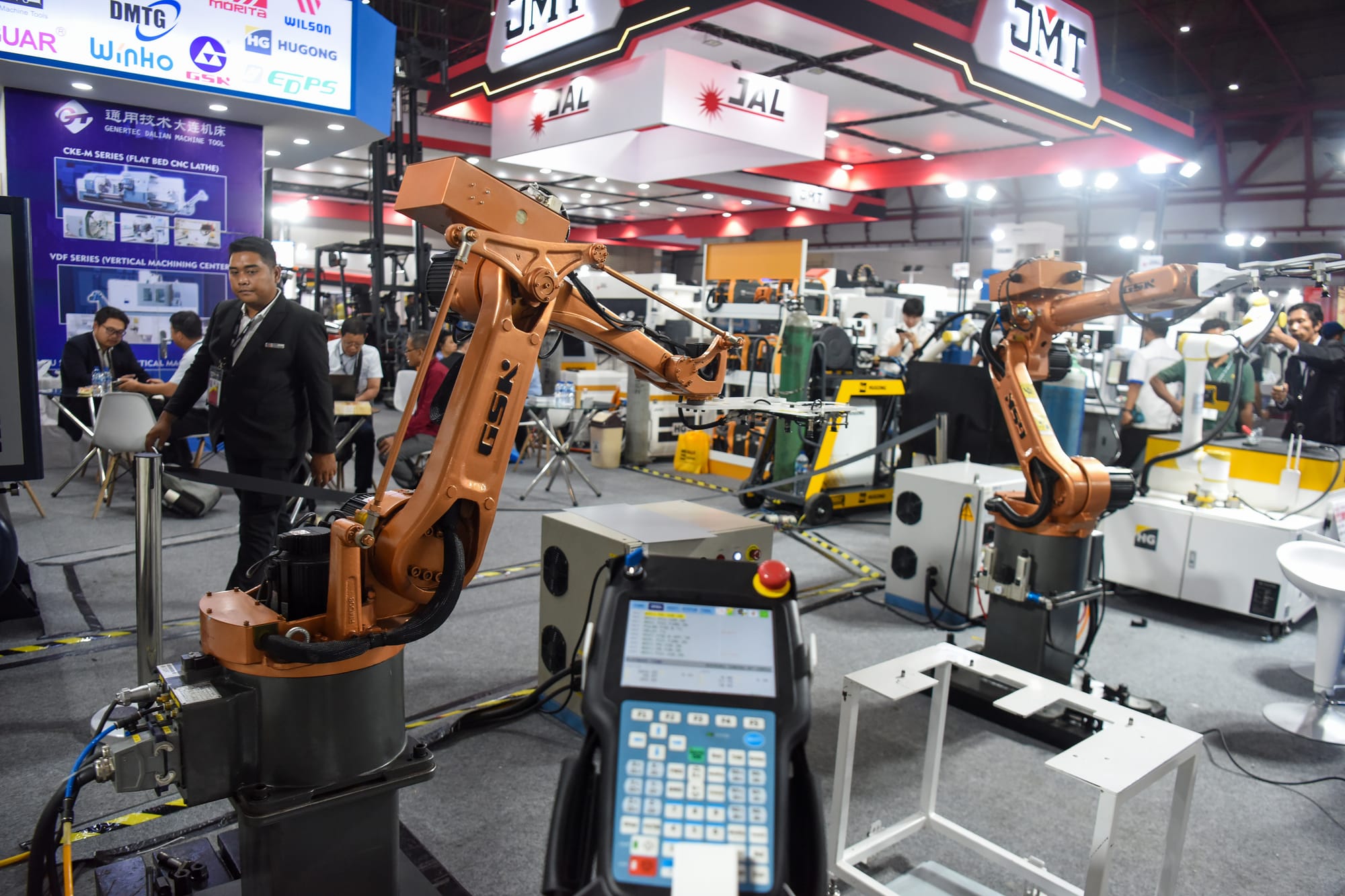
When Indonesia prioritized downstreaming after being very late, the manufacturing industry that was successfully built was only low-skill manufacturing and produced intermediate products. At this point, transformation is needed so that intermediate products can become unique products with special designs and brands, which can only be created by workers with certain skills and technological mastery.
"All industrial policies need to point to this. We can no longer quietly enjoy an economy supported by UMKM low productivity and below-standard wages, which lowers the quality of jobs even though there are many of them," Pardede said.
Senior Researcher at Indonesia Financial Group (IFG) Progress Ibrahim Kholilul Rohman believes that it will be easier for Indonesia to overcome structural problems that have been hindering high and sustainable growth potential. Through industrialization, growth will no longer be episodic and vulnerable, but sustainable and prolonged.
"Low and continuous TFP growth and debt growth that does not show a positive correlation with GDP growth are evidence that capital accumulation does not necessarily contribute to significant growth," said Ibrahim.
By striving to increase TFP through innovative and competitive industries, Indonesia can improve its ability to make commodity-based and investment-led growth an instrument for achieving sustainable productivity.
If productivity is maintained, Ibrahim emphasized, 8% growth will not only occur once, but will be repeated consecutively, as in the case of Malaysia, which achieved growth of over 7% for 10 consecutive years, or China, which was able to achieve high growth for 24 years continuously.
"The combination of short-term targets to prevent the labor market from continuing to deteriorate and the ability to see the long term must be done together. R&D innovation must prepare the next generation to be the engine of growth in facing the changing landscape of the future," he concluded.
Learning from Taiwan
Although transformation is necessary, University of Chicago Economics Professor Chiang Tai Hsieh reminds us that Indonesia needs to learn from Taiwan's experience in the 1970s, which faced a situation almost identical to Indonesia's today, with an economy supported by small businesses, low wages, and stagnant productivity.
Amidst such circumstances, the Taiwanese government decided to establish the Industrial Policy Research Institute, an applied laboratory that brought together researchers from the government, universities, and corporations to work on a single large project to develop future technologies, which are known today as semiconductors or chips.

"That decade was a crucial point, not only in terms of technology, but also in terms of developing a business management structure so that the invention would have a market. Without a clear market, the research budget would be cut immediately. It was a very extreme and harsh measure, but it was in this way that TSM grew to become the most influential semiconductor company in the world," said Chiang, who joined via Zoom teleconference.
With this strength of conviction, Chiang explained, the Taiwanese government has faced political protests more than once for making decisions that were correct but unpopular. For example, when the government stopped funding aircraft development in the early 1990s because the market was not ready to accept Taiwanese-made aircraft.
"This is lesson number one: it doesn't matter how confident you are in the novelty and superiority of your research product, if you can't market it and convince buyers, it's a failed product. Whatever R&D policy you pursue, keep one thing in mind: make sure your money is circulating in the product, with a clear market," he said.
Research that listens
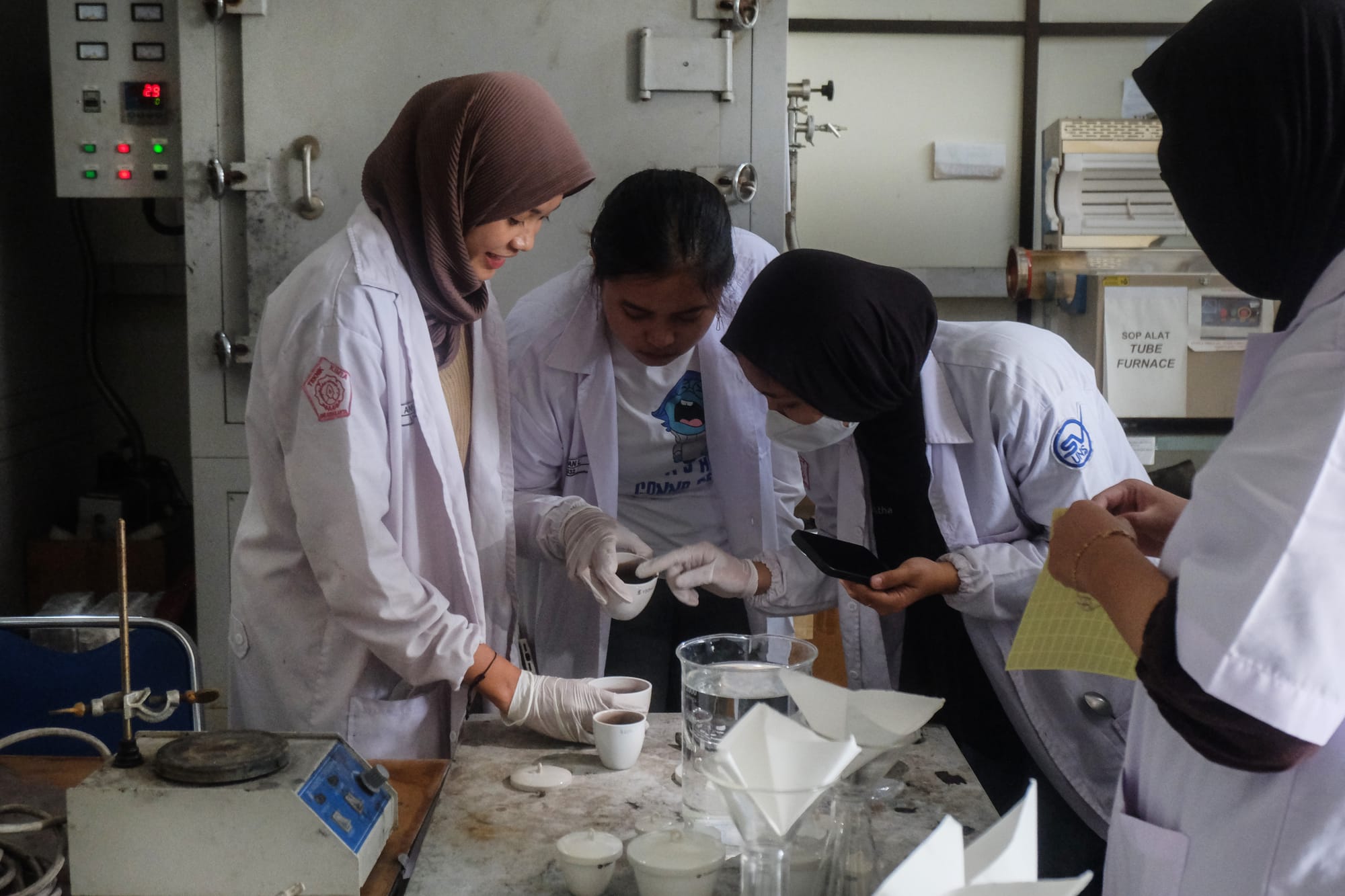
Recognizing the importance of R&D research and innovation in listening to industry needs, Director General of Research and Development at the Ministry of Higher Education, Science, and Technology Fauzan Adziman said that his office is currently prioritizing comprehensive interventions based on four pillars:
- Upskilling human resources as the main foundation of the curriculum, in order to overcome mismatches with industry;
- Improving the quality of R&D by opening up opportunities for Indonesian scientists to network with fellow scientists from abroad;
- Establishing research partnerships with various universities and research institutions around the world;
- Ensuring technology development policies that are adaptive and aligned with industry needs.
"We are opening doors, developing solutions, and facilitating exchanges between industry and universities with a focus on building strong bridges, because stagnation not only suppresses the productivity of the industrial sector, but also hinders innovation among Indonesian researchers," said Fauzan on the same occasion.
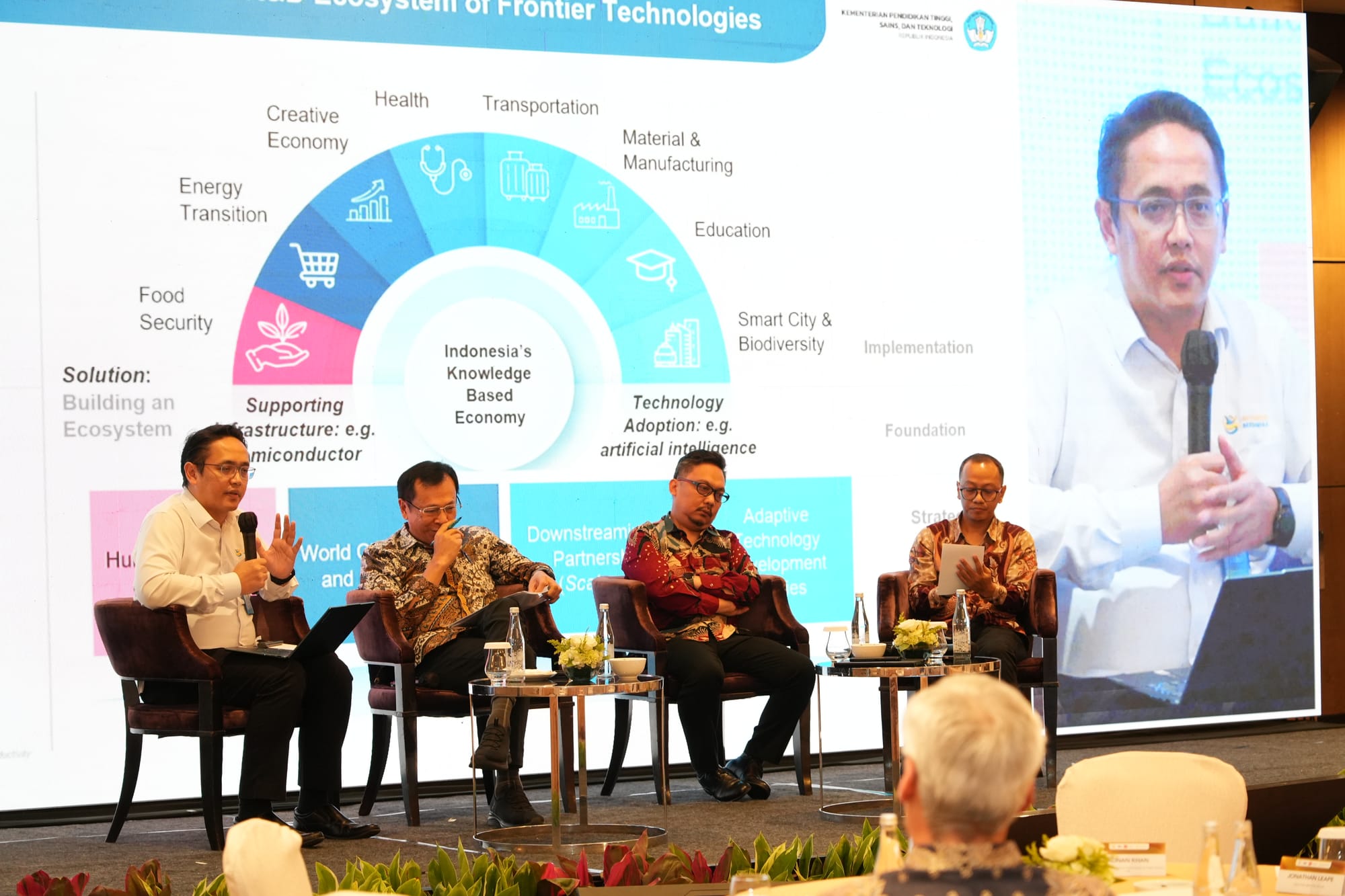
Based on these four pillars, the paradigm shift in Kemdiktisaintek will transform research that was originally focused on topics or products into research that focuses on problems and measures the extent to which research impacts problem solving. Research will no longer be based solely on the interests of individual researchers, but on the university's role as a complex problem solver.
"We are taking two approaches to building this ecosystem. In terms of research distribution, we are investing in the Priority Research Program, while for researchers with strong capabilities, we are encouraging participation in the Strategic Research Program, which provides direction for research with a budget of Rp2 billion, 15 times larger than the current research budget," he added.
Read also:
 Benedictus Krisna Yogatama