
Indonesia relies on imports to fulfill most of its domestic LPG needs, which account for about 80% of the total national demand. Although Indonesia is a producer of natural gas, domestic LPG production is insufficient, so the remaining demand is imported from other countries.
Dependence on LPG imports weighs on the trade balance and therefore, efforts need to be made to reduce LPG imports.
Chairman of the Indonesian Energy, Mineral and Coal Suppliers Association (Aspebindo) Anggawira said the government is trying to reduce LPG imports by looking for substitutes, one of which is through the development of Dimethyl Ether (DME) which is expected to replace LPG. In simple terms, DME is a chemical compound that can be processed into natural gas.
It strongly supports the DME development plan, that low calorie coal has a suitable structure to be used in the downstreaming of coal into Dimethyl Ether (DME) as a substitute for LPG.
Based on data from the Ministry of Energy and Mineral Resources in 2023 and the BP Statistical Review, Indonesia has huge reserves of low-calorie coal, around 65% of total reserves.
"Coal gasification technology to produce DME has been proven and developed in various countries. This process converts coal into syngas, then through several stages can produce DME," he said in the discussion "Future Gas Economy 2025", in Jakarta (18/11).
National LPG demand can reach around 9 million tons per year, but domestic production is only around 1.2 to 1.3 million tons. This shortfall is met by importing up to 7 million tons of LPG annually.
The largest portion of LPG imports comes from the United States, followed by other countries such as the United Arab Emirates, Qatar and Saudi Arabia. With the DME development plan, Indonesia is no longer dependent on LPG imports and has a positive impact on the trade balance.
Bio-CNG could be an alternative
Chairman of the Association of Indonesian Liquefied and Compressed Natural Gas Companies (APL-CNGI) Dian Kuncoro said besides DME, another alternative to replace LPG is the development of biogas into Biomethane-Compressed Natural Gas (Bio-CNG).
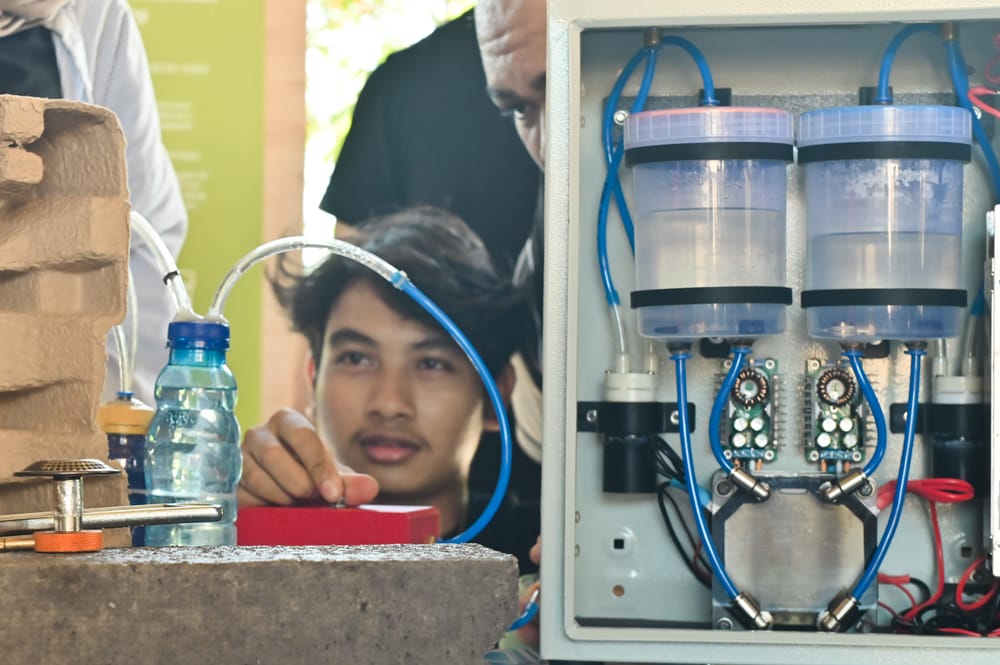
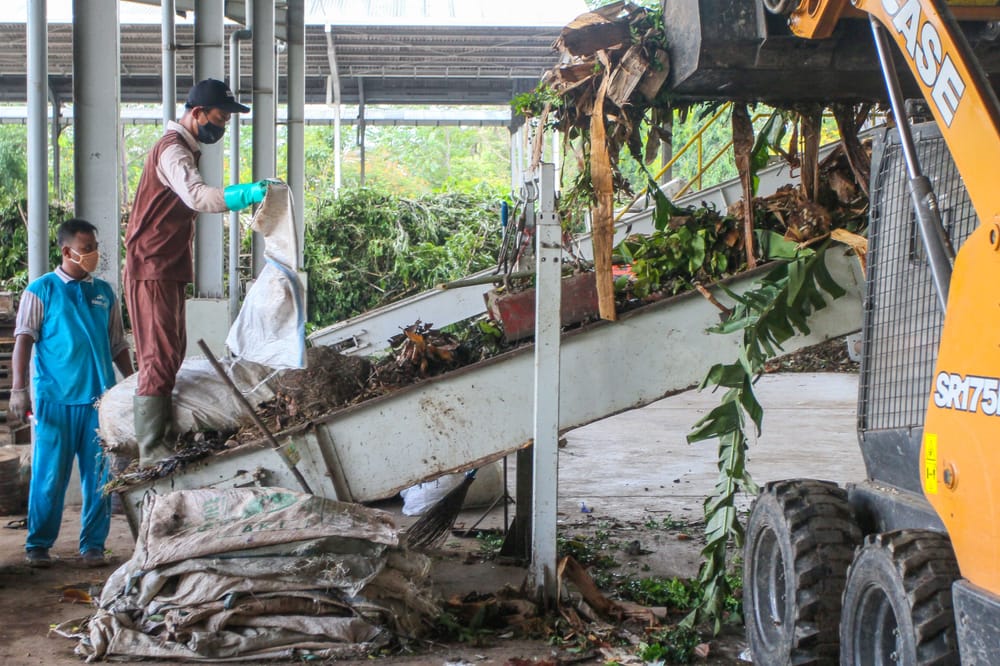
Bio-CNG has the potential to replace LPG, especially for the industrial, commercial, and transportation sectors, as it can be processed from purified biogas (such as from palm oil, agricultural, and livestock waste). This potential is supported by the abundant availability of feedstock in Indonesia and the goal of reducing dependence on LPG imports.
Indonesia as the largest palm oil producer has great potential to utilize its waste to be processed into Bio-CNG, in addition to other agricultural and livestock waste.
"Bio-CNG can be used as a direct substitute for LPG, LNG, and even diesel in the industrial, commercial, and transportation sectors," he said.
The development of Bio-CNG is one of the strategic steps to encourage renewable energy transition in Indonesia and reduce fossil energy consumption. In addition to fuel, the development of Bio-CNG from waste also helps palm oil mills or plantations reduce carbon emissions and address waste issues.
PGN Strengthens CNG Ecosystem
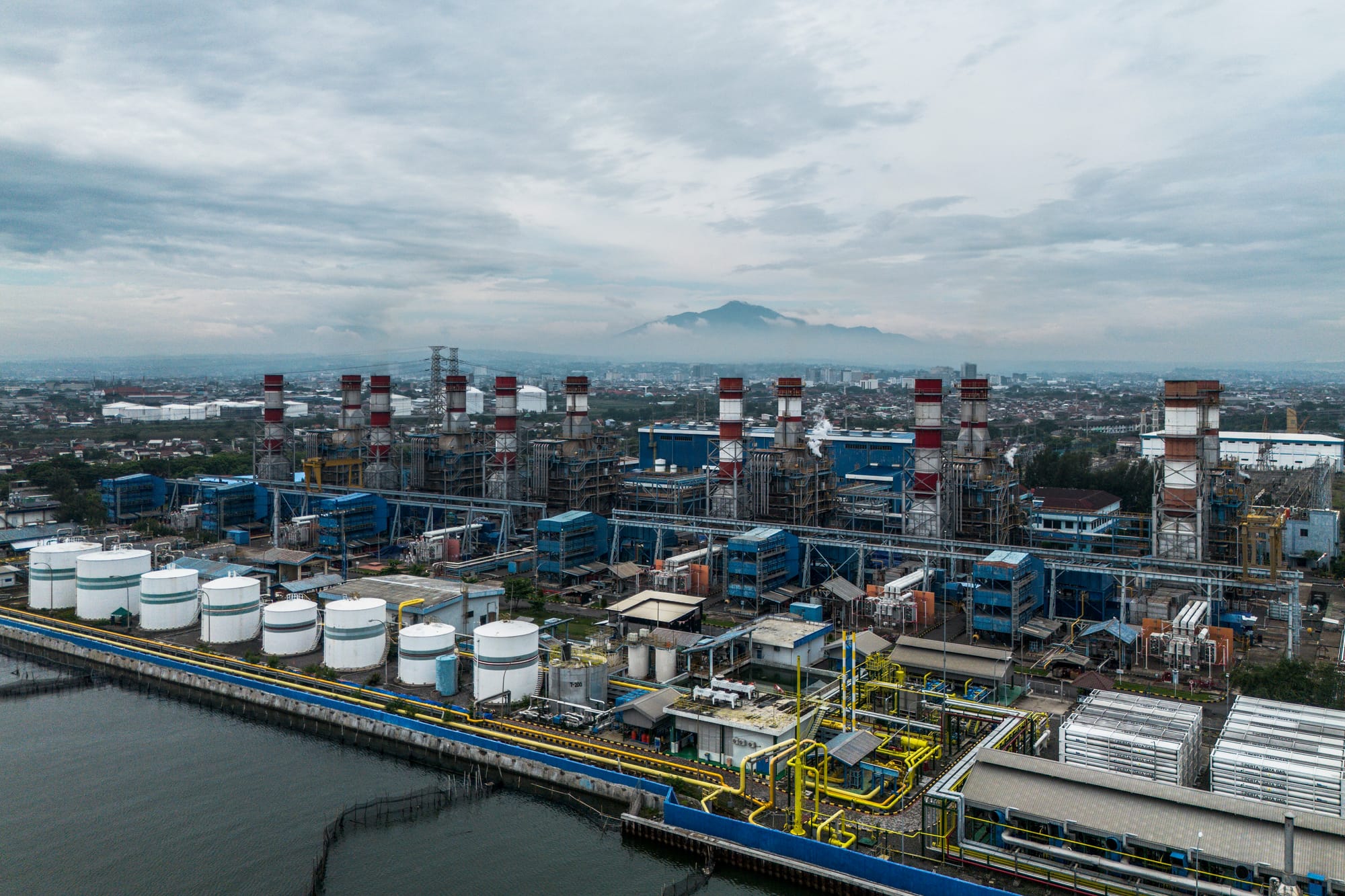
PT Perusahaan Gas Negara Tbk (PGN) is committed to strengthening the Compressed Natural Gas (CNG) ecosystem in Indonesia, the energy has various advantages so that it can be a substitute for LPG to reduce imports.
Through its subsidiary, PT Gagas Energi Indonesia (PGN Gagas), it consistently develops the utilization of CNG, which has a lower carbon content, is efficient, and economical, while playing a role in reducing LPG imports.
PGN Gagas President Director, Santiaji Gunawan, explained that CNG, which is natural gas resulting from a compression process, has advantages in terms of storage and distribution, and has been utilized by various sectors such as industry, commercial, UMKM, and transportation.
"We fully support the Government's steps in developing various domestic gas products to strengthen national energy security. In addition to CNG, we are also working on the utilization of Liquefied Natural Gas (LNG) so that the reach of natural gas use is wider," he said.
PGN Gagas also continues to expand its natural gas infrastructure. In August 2025, the company groundbreaked the LNG Hub in Bandung with a production capacity of 0.5 MMSCFD.
Meanwhile, in September 2025, the construction of the Medan CNG Mother Station (MS) with a capacity of 1 MMSCFD was carried out to meet the gas needs of the industrial, commercial and UMKM sectors in North Sumatra with a potential utilization of up to 4.48 BBTUD.
In addition to industry, CNG is also utilized in the Government's strategic projects such as providing energy for the Free Meal service kitchens in Batam, Bogor, and Boyolali.
PGN Gagas also provides Gas Filling Stations (SPBG) and Mobile Refueling Units (MRU) for public transportation such as city buses (BRT), bajaj, and taxis. Currently, PGN Gagas operates 11 SPBGs in 7 provinces, with an average filling of around 2,200 vehicles per day.
Domestic Gas Usage Trends Increasing
The Special Task Force for Upstream Oil and Gas Business Activities (SKK Migas) said that the trend of natural gas utilization for the domestic market continues to increase.
SKK Migas Deputy for Finance and Commercialization Kurnia Chairi revealed that the government's policy in supporting gas demand for the domestic market is quite clear. Natural gas has been prioritized for domestic needs.
"Even in percentage terms, the utilization of natural gas for domestic use has reached approximately 69.26%. Meanwhile, the remaining 30% is for export needs," he said.
He emphasized the importance of maintaining domestic gas supply. SKK Migas will continue to monitor developments in the field.