

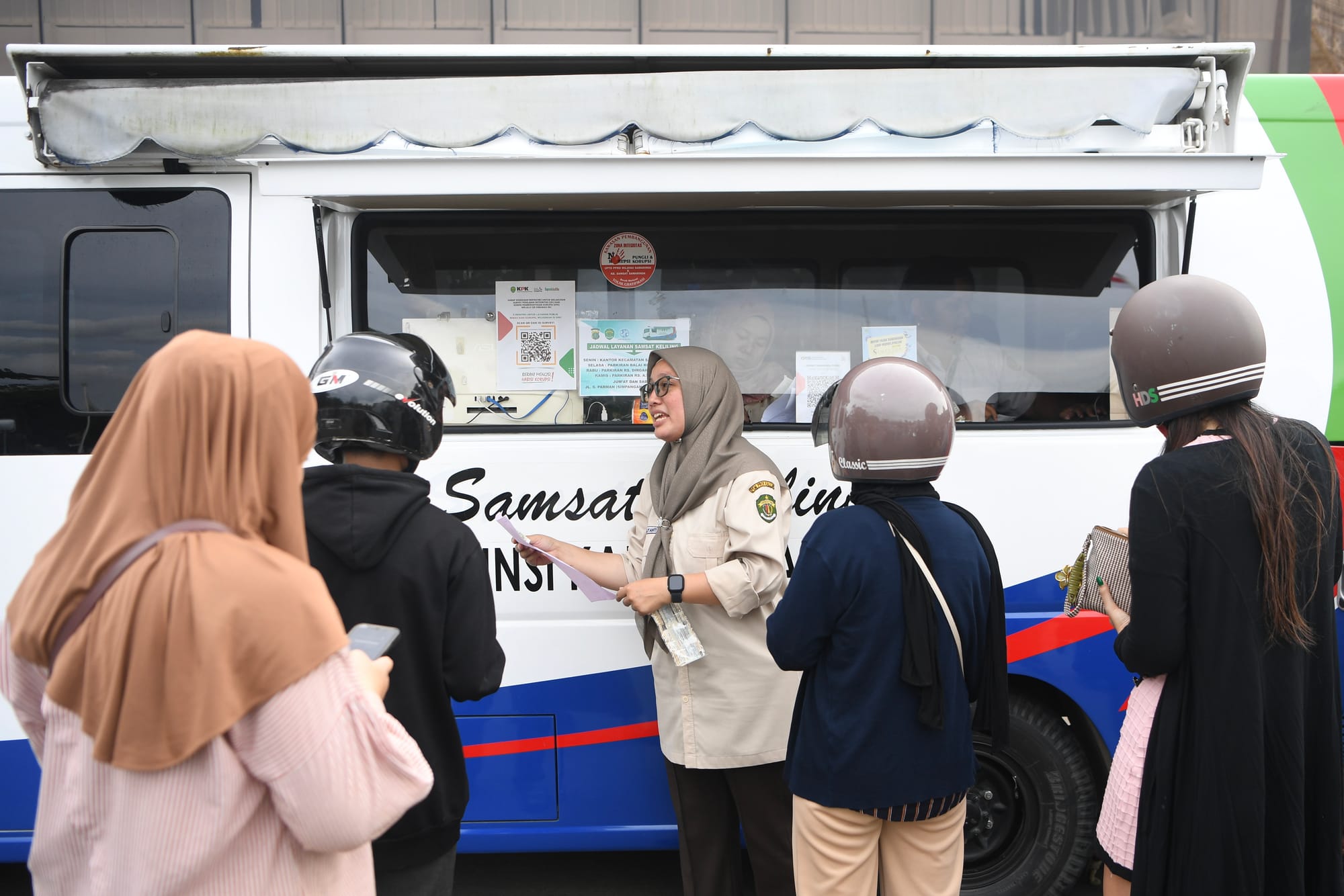
The performance of city governments in Indonesia, as seen from their Local Own-Source Revenue (PAD) achievements, shows uneven growth—some cities are growing rapidly thanks to innovation and digitalization, while others are still held back by limited economic structures and institutional capacity.
This condition shows that fiscal capacity does not guarantee growth dynamics. Large cities besar are at risk of being stuck in monotonous efforts if they depend on certain sources of local revenue, have weak system renewal, or lack intensification strategies. Conversely, innovative small cities show dynamics in striving for independent local revenue.
The diversity of local revenue sources in various cities in Indonesia was one of the topics discussed at the roundtable discussion. Roundtable Decision with the theme "Promoting Local Revenue Growth in Cities" organized by SUAR.id in collaboration with Apeksi at the JS Luwansa Hotel, Jakarta, on Thursday, December 11, 2025.
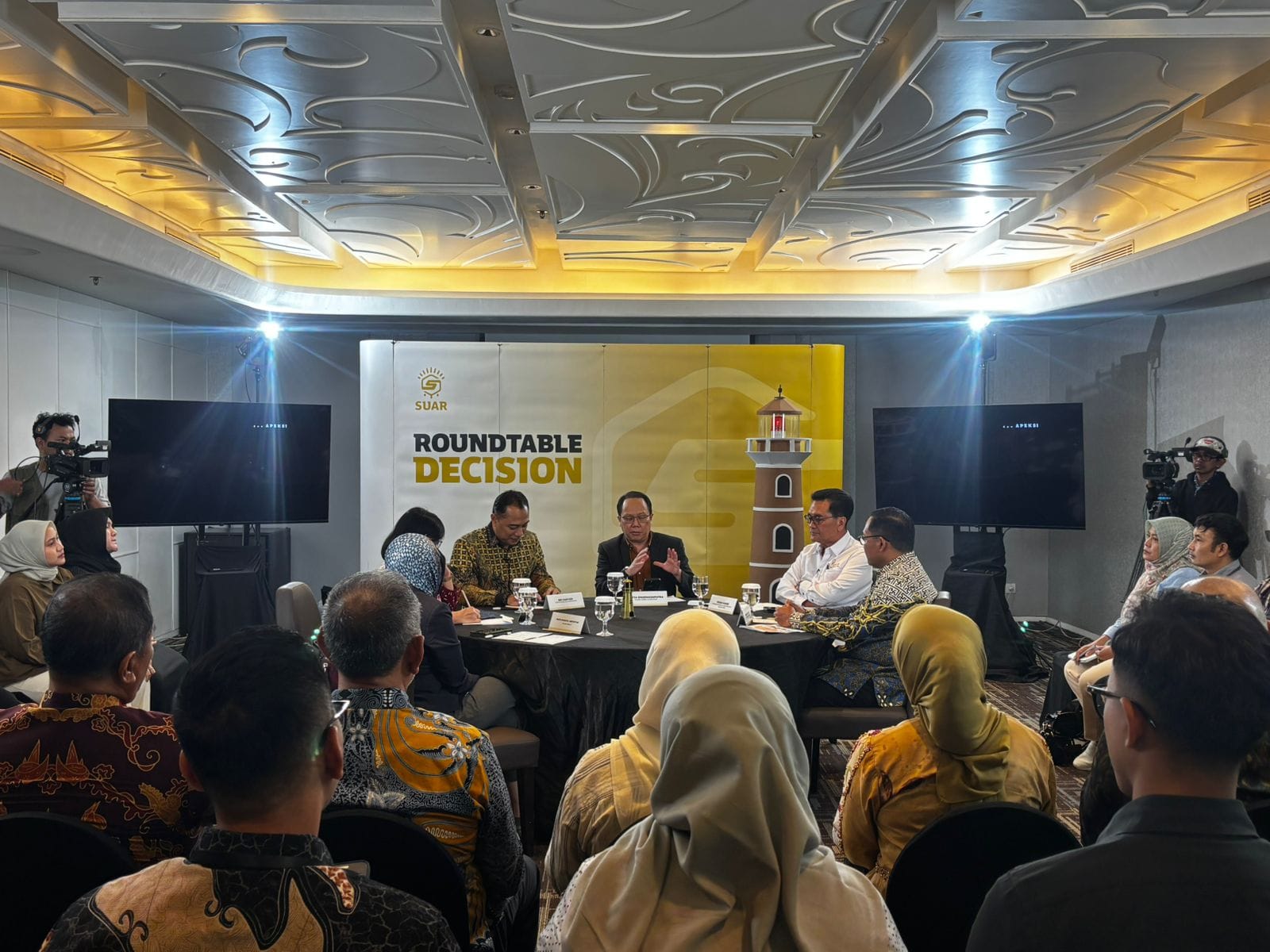
Speakers from various backgrounds—including decision makers, leaders, and entrepreneurs—shared their experiences, hopes, and advice on how to find the best way for each city government to optimize its potential, thereby reducing dependence on central government funding.
The speakers who expressed their views were the Mayor of Surabaya, who is also the Chair of Apeksi 2025-2030, Eri Cahyadi; the Head of the Regional Revenue Agency (Bapenda) of Malang City, Handi Priyanto; and the Advisor to the Indonesian Hotel and Restaurant Association (PHRI), Yozua Makes.
Also present as speakers were Lydia Kurniawati Christyana, Director of Regional Taxes and Levies at the Ministry of Finance, and Riatu Mariatul Qibthiyyah, researcher at the Institute for Economic and Social Research (LPEM) at the University of Indonesia. Acting as moderator was the founder and editor-in-chief of Suar.id Sutta Dharmasaputra.
Results of the speakers' thoughts in the discussion Roundtable Decision three Suar.id , we have compiled a summary for this week's Spotlight edition. We hope that this will spark a more in-depth and concrete discussion on how to make cities in Indonesia financially independent and bring blessings to their residents.
In writing up the results of this discussion, the summary format has been edited into several themes. Happy reading!
The first step toward becoming a developed country
Opening the discussion via remote connection, Deputy Minister of Home Affairs Bima Arya Sugiarto stated that as a country with a national income ranked among the top 20 in the world, Indonesia has the opportunity to take advantage of a once-in-a-lifetime momentum to transform itself from a developing country into a developed country and become one of the world's five largest economies.
However, according to Bima, in order to achieve this, several conditions must be met, namely pursuing double-digit economic growth, with a minimum target of 8 percent. "At this point, regional PAD becomes the determining factor in whether or not this target can be achieved," he said.
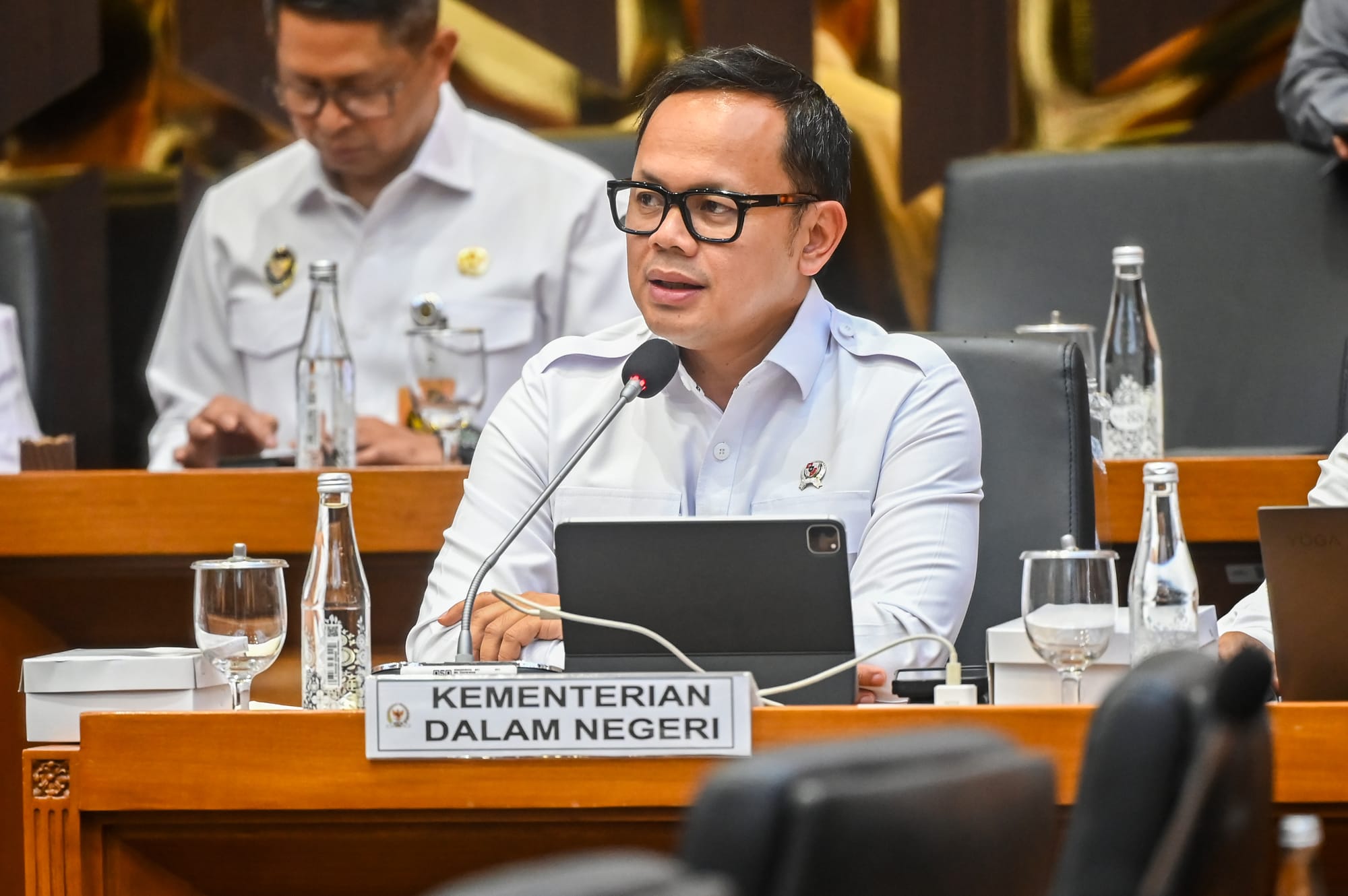
And to increase local revenue, various policies are needed to support this. These include simplified regulations, more flexible cooperation, and the mapping and optimal utilization of regional assets, ranging from commercial space and advertising partnerships to the provision of parking spaces. The digitization of public services is also crucial to increasing local revenue.
And that step is not an easy one. With most regionally-owned enterprises in poor health, reform is a necessity. In addition, despite autonomy, there must still be communication between the central and regional governments. "We need an effective, transparent, and collaborative government, including exploring investments, philanthropy, bonds, and sukuk, so that the regions can grow and Indonesia can progress," he said.
Bima Arya emphasized that if Indonesia wants to run toward double-digit economic growth, then the legs that stand on the ground must first be strong. And from Jakarta to small towns, that homework now awaits to be answered.
According to him, Indonesia's fiscal future is not only determined by national policies, but also by the ability of each city, each district, and each local government to optimize their resources. In this context, regulation is key.
He emphasized the need to simplify regulations, facilitate the investment process, and make the Public-Private Partnership (PPP) scheme more flexible, so that not only large cities, but also medium and small regions can access new financing opportunities.

Bima also highlighted the enormous potential that has often been overlooked: regional assets. From commercial space and advertising partnership opportunities to parking lot management, all of these can be sources of stable revenue if utilized optimally. "The digitization of public services is also crucial to increasing regional revenue," he said, referring to the need to accelerate digital transformation, which is still uneven across regions.
On the other hand, Bima revealed one of the fiscal weaknesses that has been overshadowing the region for years: more than 1,000 regionally-owned enterprises, most of which are unhealthy. This condition, he said, must be addressed through comprehensive reform. He explained the Ministry of Home Affairs' plan to strengthen assistance with the presence of the Director General of Regionally-Owned Enterprises and a new legal umbrella through the Regionally-Owned Enterprises Law.
Big cities help small ones
Meanwhile, Surabaya Mayor Eri Cahyadi emphasized that currently many regional heads, especially mayors, are optimistic about their ability to manage their regional budgets and boost local revenue. "This means that we are still strong enough to survive, and remain confident that we can control the situation," said Eri.
He said that the current economic turbulence can only be countered with innovation. Regions must understand their strengths, whether natural, industrial, or asset-based. Everything must be utilized creatively, from commodities and business space to commercial cooperation.

The management of regional wealth must also be empowered together with all parties based on trust. "Regional taxes are a matter of trust. The government should not immediately suspect business actors, and business actors must also be honest. It is this honesty that allows taxes from hotels, restaurants, and other sectors to be returned to the people in the form of public services," he explained.
Even so, Eri said, not all cities are in the same position. Large cities may have significant assets, while small cities do not have many assets that can be utilized. Therefore, strong solidarity between regions is needed to help drive progress, with those who are weak being facilitated.
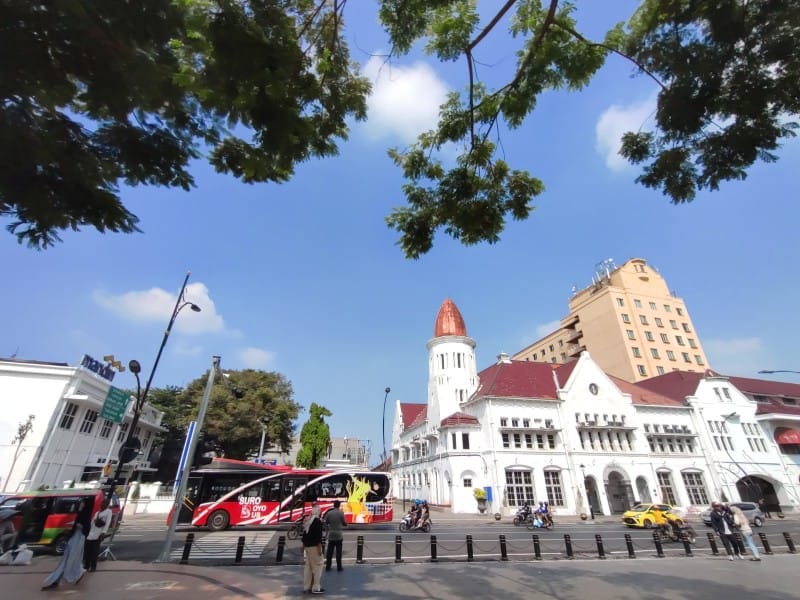
Eri also gave an example of how Surabaya collaborates with other regions, for example, to meet commodity needs, such as staple foods. "In this case, Surabaya does not have to produce rice or eggs itself; we cooperate with producing regions. This is healthy government-to-government cooperation, not competing with each other, but strengthening each other," he said.
Successfully implementing fiscal decentralization
Meanwhile, Lydia Kurniawati Christyana, Director of Local Taxes and Levies at the Indonesian Ministry of Finance, revealed that although local governments in Indonesian cities are currently facing turbulence, they are now much more stable in managing their local revenue ( ). "That is why I am confident that cities are still very capable of getting through this difficult period," she said.
According to Lydia, local revenue growth in Indonesian cities has been relatively stable due to strong contributions from the service and trade sectors. "In fact, some cities have recorded high local tax elasticity," said Lydia.
According to him, every year the Ministry of Finance calculates the potential for local revenue, and currently, the calculation for 2025 has reached 80 percent. The Ministry of Finance also concluded that the regions are becoming more mature in implementing fiscal decentralization.
The ability to manage Motor Vehicle Tax (PKB), GRDP in the service sector, and various other types of taxes has also proven to be growing. He believes that the potential for local taxes is still very large. "The basis is there, the elasticity is clear, it's just a matter of strengthening the monitoring system and technology," he said.
Meanwhile, Yozua Makes, Advisor to the Indonesian Hotel and Restaurant Association (PHRI), emphasized the importance of the role of regional leaders as conductors who manage regional administration, including asset management and attracting investment to the region.
"City management depends on its leader, and he is not only creative but also able to communicate internally and externally, including with the central government, so that the central government can also see the situation," he explained.
As the conductor, where one of the players is the private sector, regional heads must be able to create a good orchestra.
As a business owner, Yozua believes that there are three things that business owners in Indonesia are concerned about, namely certainty, comfort, and security. Business owners in regencies/cities also play an important role as players led by regional heads.
"Regional heads, as conductors, with the private sector as one of the players, must be able to create a good orchestra," he continued.
Digitalization is key
Then, reflecting on the experience of Malang City, innovation is one of the keys to boosting local revenue. The head of the Malang City Regional Revenue Agency (Bapenda), Handi Priyanto, explained that in optimizing city revenue, one of the innovations carried out in terms of tax collection is digitization.
"Back when Covid devastated us, Malang City's local tax revenue, which had reached around Rp490 billion at that time, plummeted to around Rp300 billion. Because we had to survive, the answer was digitalization. We tried to follow the private sector, which was implementing digitalization at that time," explained Handi.
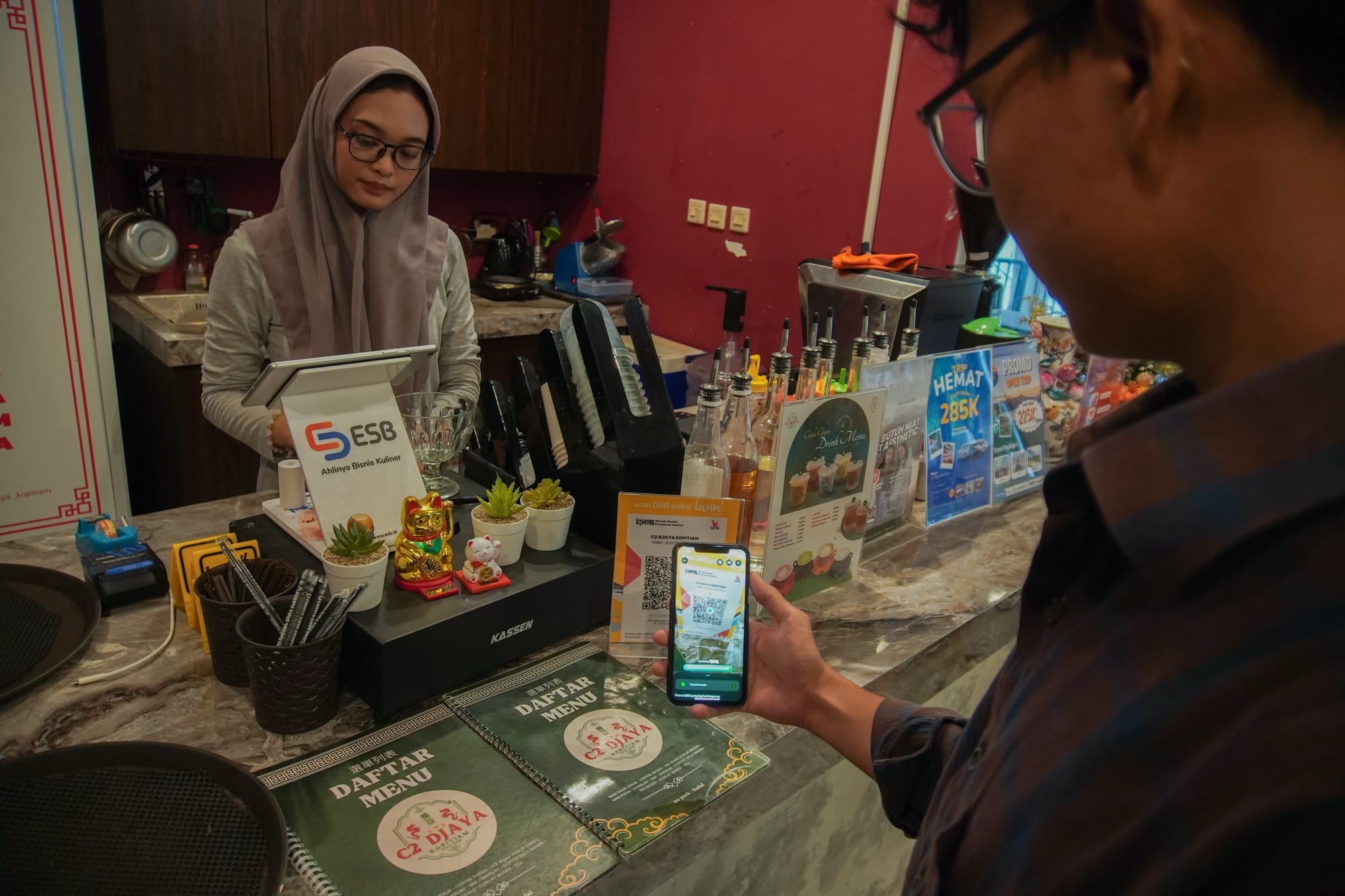
This digitization was implemented by massively promoting e-tax, one of which was then applied in the Land and Building Tax (PBB) payment process. The effort, which initially aimed only to facilitate public services, actually created a significant multiplier effect on local revenue.
According to Handi, currently all types of tax payments and services in Malang City have been implemented digitally. However, the reduction in TKD from the Central Government has made it difficult for local governments to continue innovating. "When we talk about creativity, sometimes creativity also requires funds. So if regional heads are asked to be creative, but then TKD is reduced, it will be difficult to develop," said Handi.
Based on the existing facts, LPEM UI researcher Riatu Mariatul Qibthiyyah believes that funding from the central government to the regions is necessary for digitization that can be standardized and then applied evenly across all regions. "The central government will also monitor and compare which of the local government's innovation initiatives canbe scaled up," she explained.
Riatu also said that sufficient fiscal space also plays a role in the creativity of regional heads in innovating. In 2001, he explained, regional TKD was withdrawn at 26.6% of central domestic revenue.
But then it developed into something like village funds and so on, so that in the end it also increased.
"It is now above 30%. And from the current geopolitical situation, the cost of borrowing, there is also uncertainty at the central level that needs to be managed, where the option may be that in 2025 and 2026, a significant portion of the state budgetwill be shifted to local governments, for example, in the event of a decline. This is unprecedented, even for the Covid period," he said.
Moderator and Editor-in-Chief of Suar.id, Sutta Dharmasaputra concluded that, through this discussion, there are important keywords for optimal regional financial management, especially in cities, namely transparency and collaboration.
"Transparency from all stakeholders, which can be achieved through digitalization, will create and build trust. Collaboration between institutions is also necessary in order to survive the current economic turbulence," he said.
Mukhlison, Gema Dzikri, and Dian Amalia


