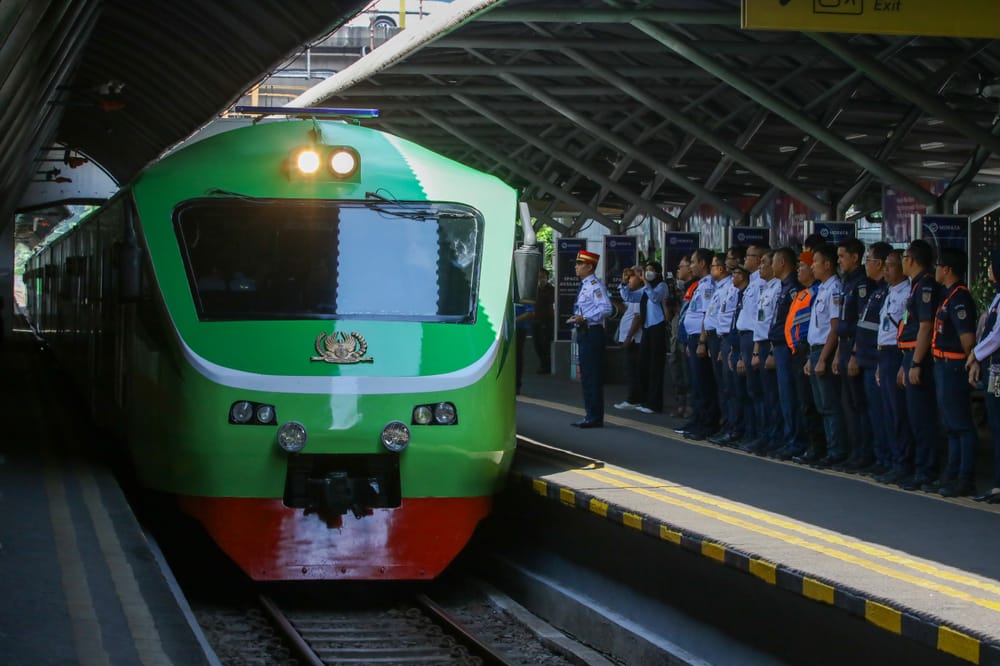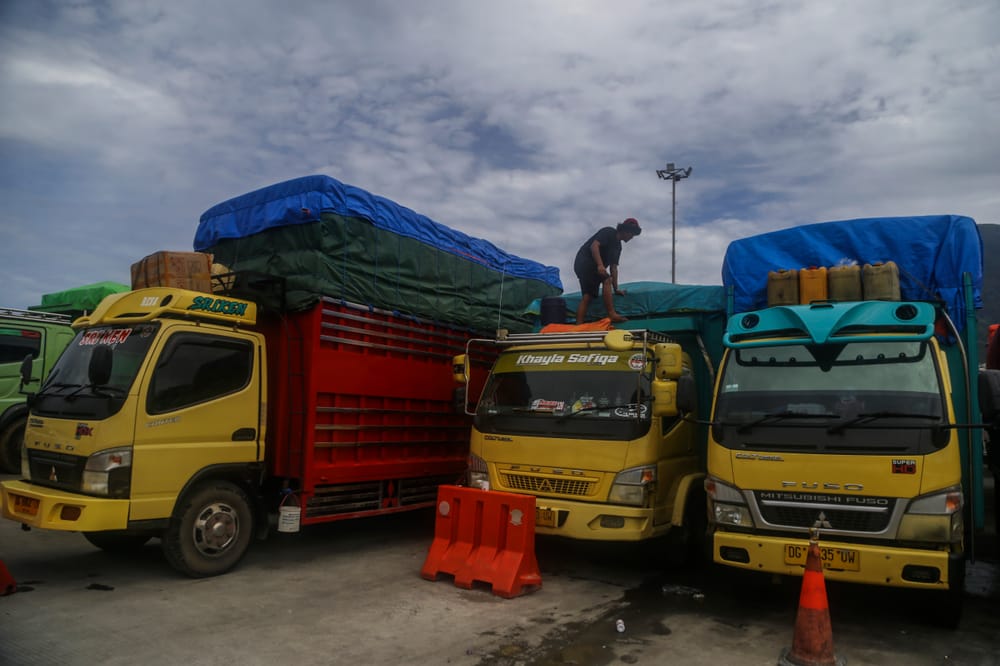

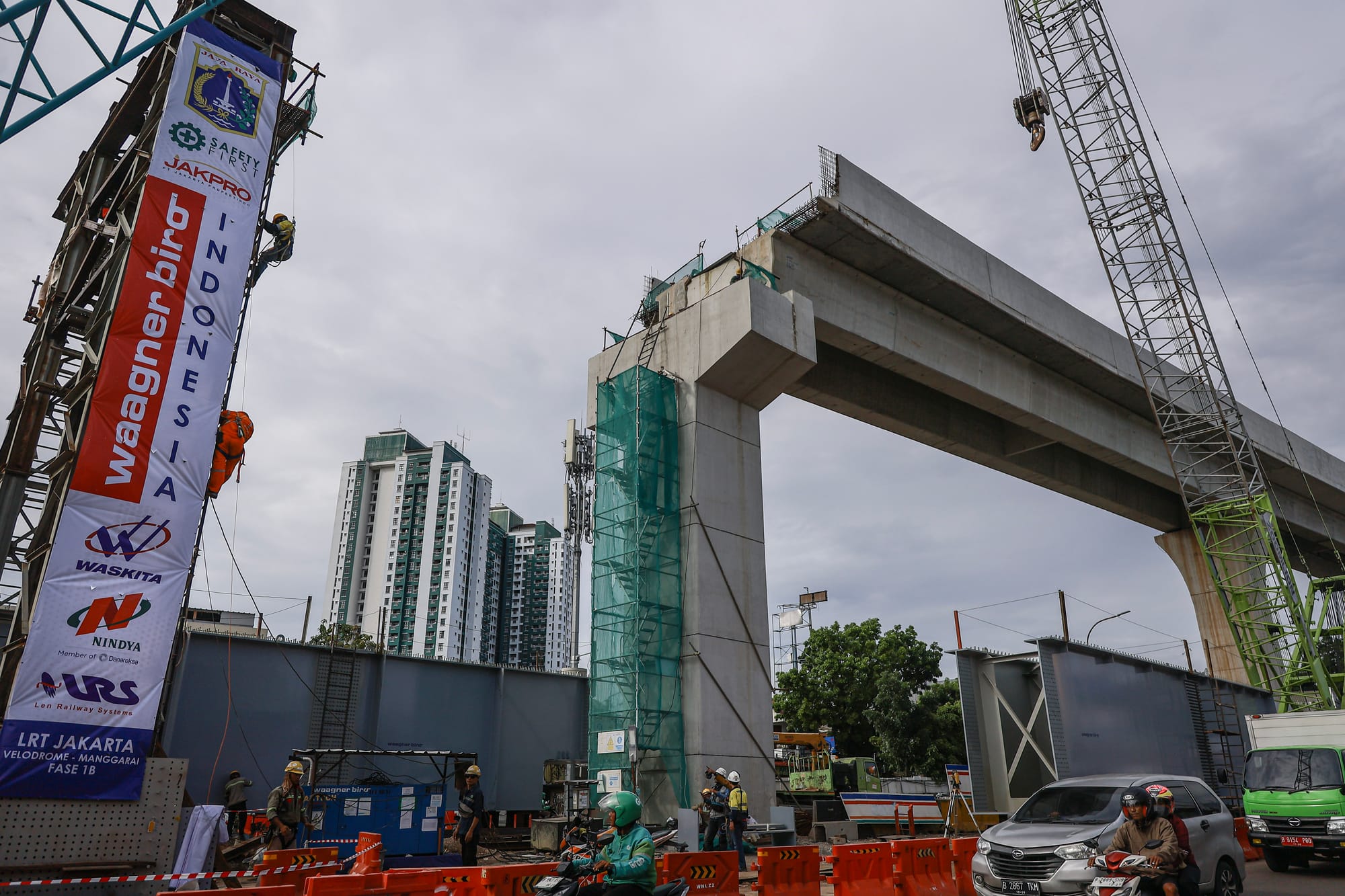
The government is accelerating the development of mass transportation infrastructure in various regions ranging from railways, ports, to roads. This transportation development can improve equitable development, increase community mobility and reduce logistics costs. This all leads to encouraging economic growth.
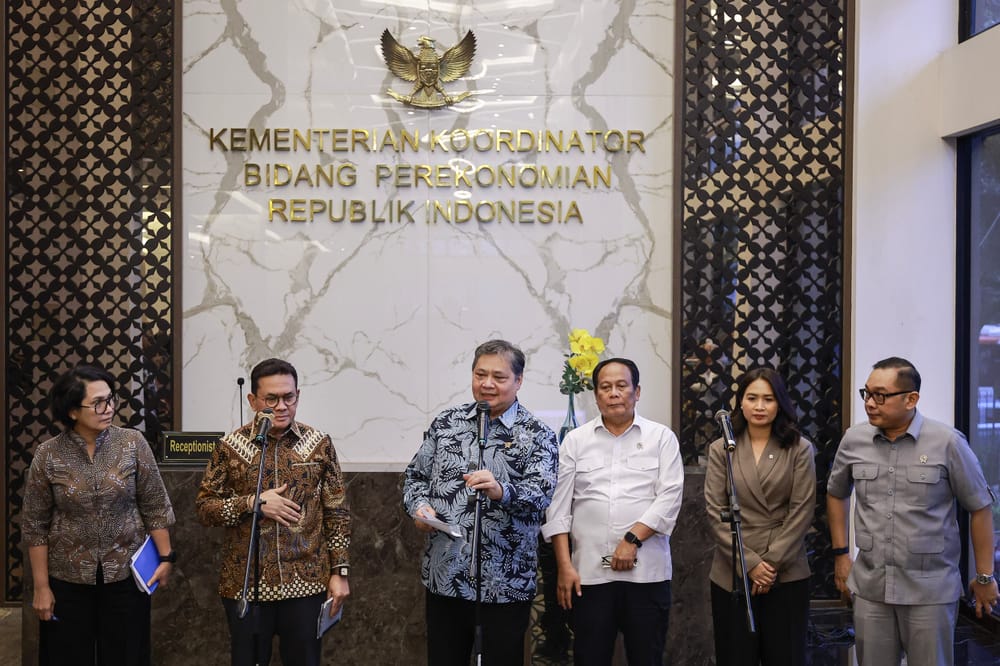
Coordinating Minister for Infrastructure and Regional Development Agus Harimurti Yudhoyono said the government is committed to building infrastructure and connectivity evenly throughout Indonesia, with the aim of encouraging quality economic growth.
"Equitable infrastructure development will make logistics costs fall and the economy increase, this is the main focus of the current government," said the man who is familiarly called AHY when opening the Indonesia International Transport Summit (IITS) 2025 at the Tribrata Hotel and Convention Center, Jakarta (26/11/2025).
The government's infrastructure development targets in the next few years include the development of mass public transportation networks in urban areas from only 6 cities by 2023 to 20 cities by 2030.
Extension of railway network from 6,880 kilometers by 2023 to 12,100 kilometers by 2030, Development of road network from 50,064 kilometers by 2023 to 86,206 kilometers by 2040.
Increased port capacity from 72 locations by 2020 to 142 locations by 2030.
Development of the road network from 50,064 kilometers in 2023 to 86,206 kilometers in 2040, then increasing port capacity from 72 locations by 2020 to 142 locations by 2030.
Reducing the percentage of logistics costs from only 14.29 percent per year 2022 to 8 percent in 2045. He emphasized that the development of a modern and integrated transportation system is the government's top priority to support sustainable and equitable economic growth.
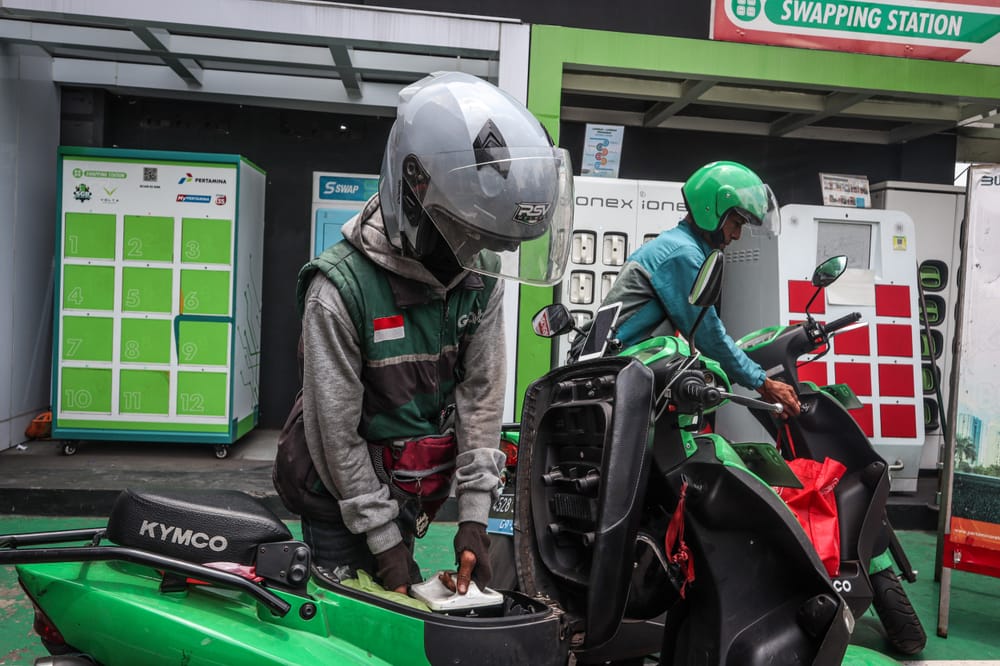
IITS 2025 is a strategic platform for government, academics, industry players, and investors to collaborate to accelerate transportation transformation through panel discussions, technical seminars, and exhibitions of the latest transportation technology innovations. The main materials discussed include transportation mode integration, digital infrastructure development, electric vehicles, and sustainable transportation policies.
As one of the prestigious annual agendas, the Indonesia International Transport Summit 2025 is expected to be a driving force for accelerating the modernization of the transportation system that supports Indonesia's vision of moving forward.
Development of a Modern Transportation Ecosystem
On the same occasion, President of Intelligent Transport System (ITS) Indonesia William Sabanar said the transportation system is the foundation of national development, where a modern economy is characterized by an integrated transportation ecosystem that combines strong infrastructure, efficient services, and cutting-edge technology.
"As an archipelago, Indonesia is accelerating its transportation transformation to improve competitiveness and social welfare, where Intelligent Transport Systems play an important role," he said.
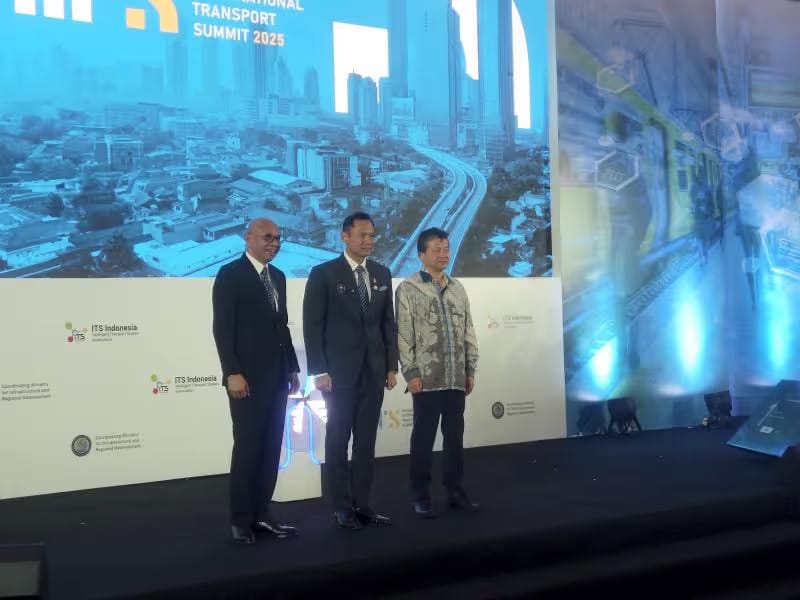
For this reason, through IITS 2025, it seeks to strengthen collaboration, encourage innovation, and advance a smarter, safer, and more connected future of mobility, thereby supporting economic progress, while providing comfort and safety for society.
In the IITS 2025 forum, there are five strategic thematic tracks to support the development of a modern, connected and sustainable transportation ecosystem.
- Future Systems, presents breakthrough mobility technologies and end-to-end logistics solutions, including EVs, autonomous systems, drones, AI logistics, hydrogen innovation, and smart infrastructure.
- Policy Engines that strengthen governance frameworks, regulatory systems and financing models that enable the integration and scale-up of ITS initiatives.
- Everyday Journeys that prioritizes mobility access, affordability, service quality, and inclusive design to ensure equitable mobility for the entire community.
- The Business of Movement explores opportunities in the rapidly growing mobility economy, including public-private investment, startup ecosystems, digital platforms, and domestic manufacturing capacity.
- Interlinked can improve intermodal and multimodal connectivity through the integration of sea, air, land and logistics systems, which is particularly relevant for island nations.
Two Indicators of Future Transportation Development
Secretary General of ITS Asia Pacific Akio Yamamoto said there are two indicators needed to build future transportation, namely technological innovation and infrastructure planning.
The required innovation technology can implement Intelligent Transportation Systems (ITS) where the application of systems such as integrated traffic management, integrated digital payments, and real-time passenger information systems to optimize travel.Then, Application-Based Transportation which prioritizes shared mobility that is connected and managed through applications.
Infrastructure and Planning are also indicators of future transportation development which includes intermodal integration that connects various types of transportation (land, sea, air) into an integrated and complementary system.
"Environmentally friendly infrastructure by building safe bicycle lanes, comfortable sidewalks, environmentally friendly terminals, and infrastructure for electric vehicles must also be considered," he said.