The demonstrations that ended in rioting and looting at the end of August, must have raised many questions from all the movers and shakers of the business world. SUAR members' question is what is the political economy situation going forward?
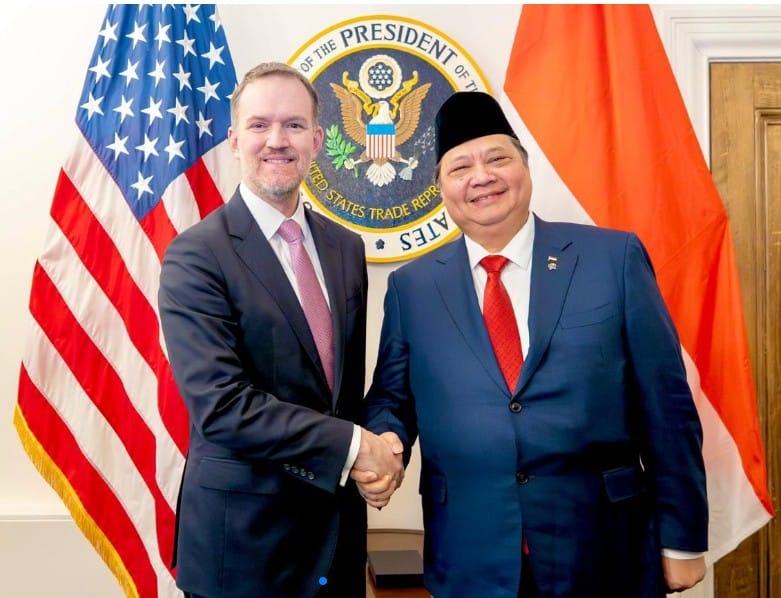
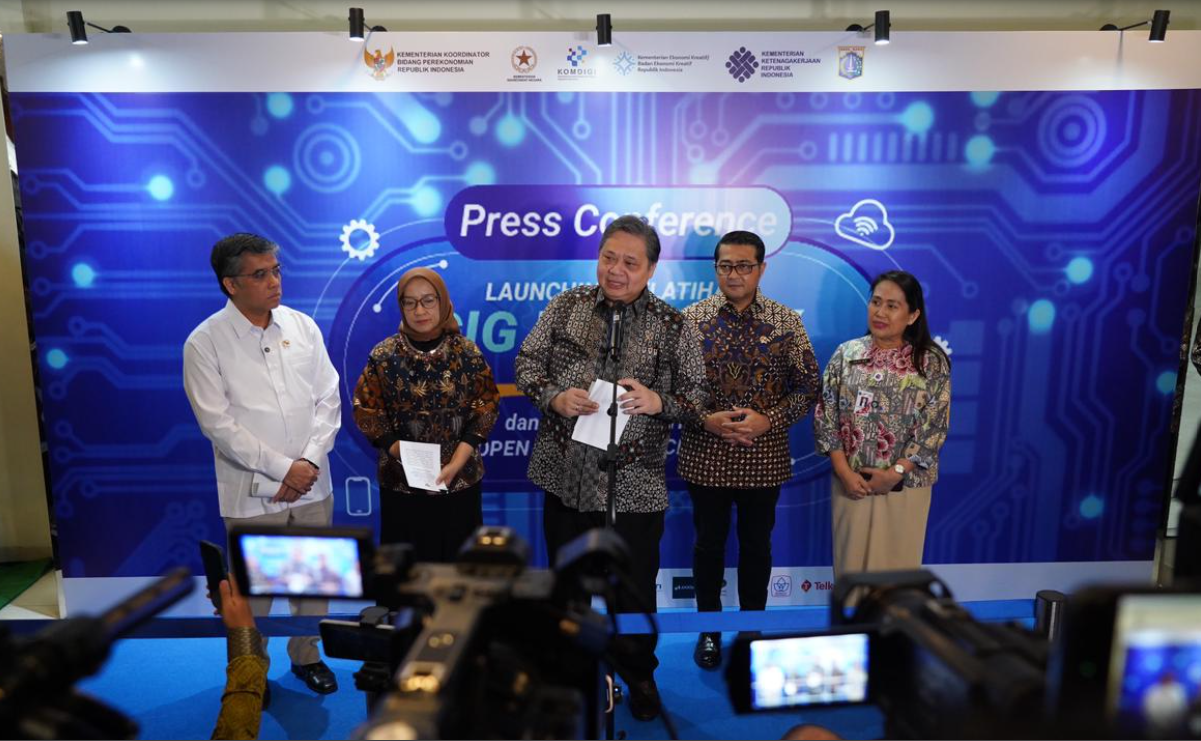
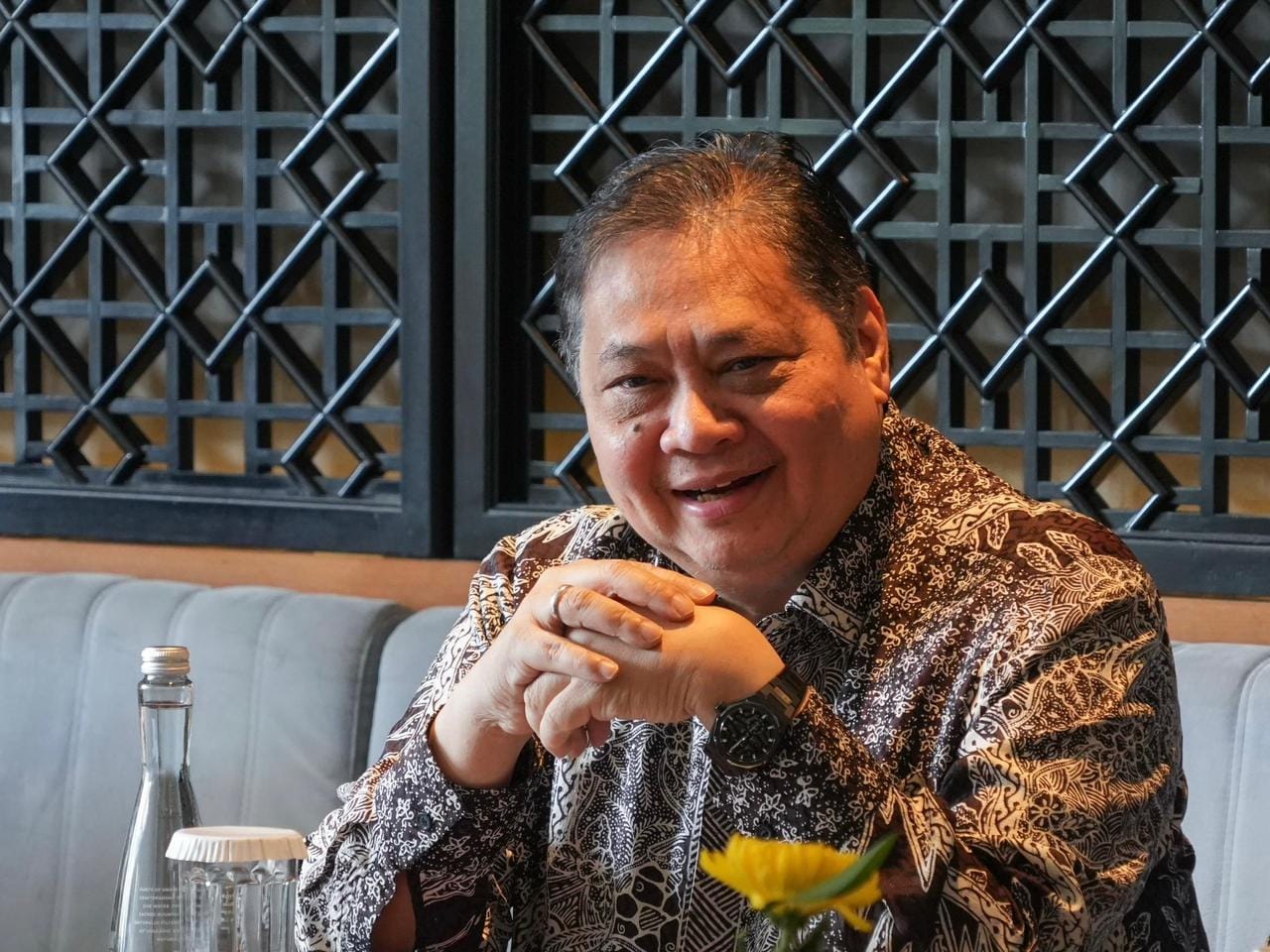
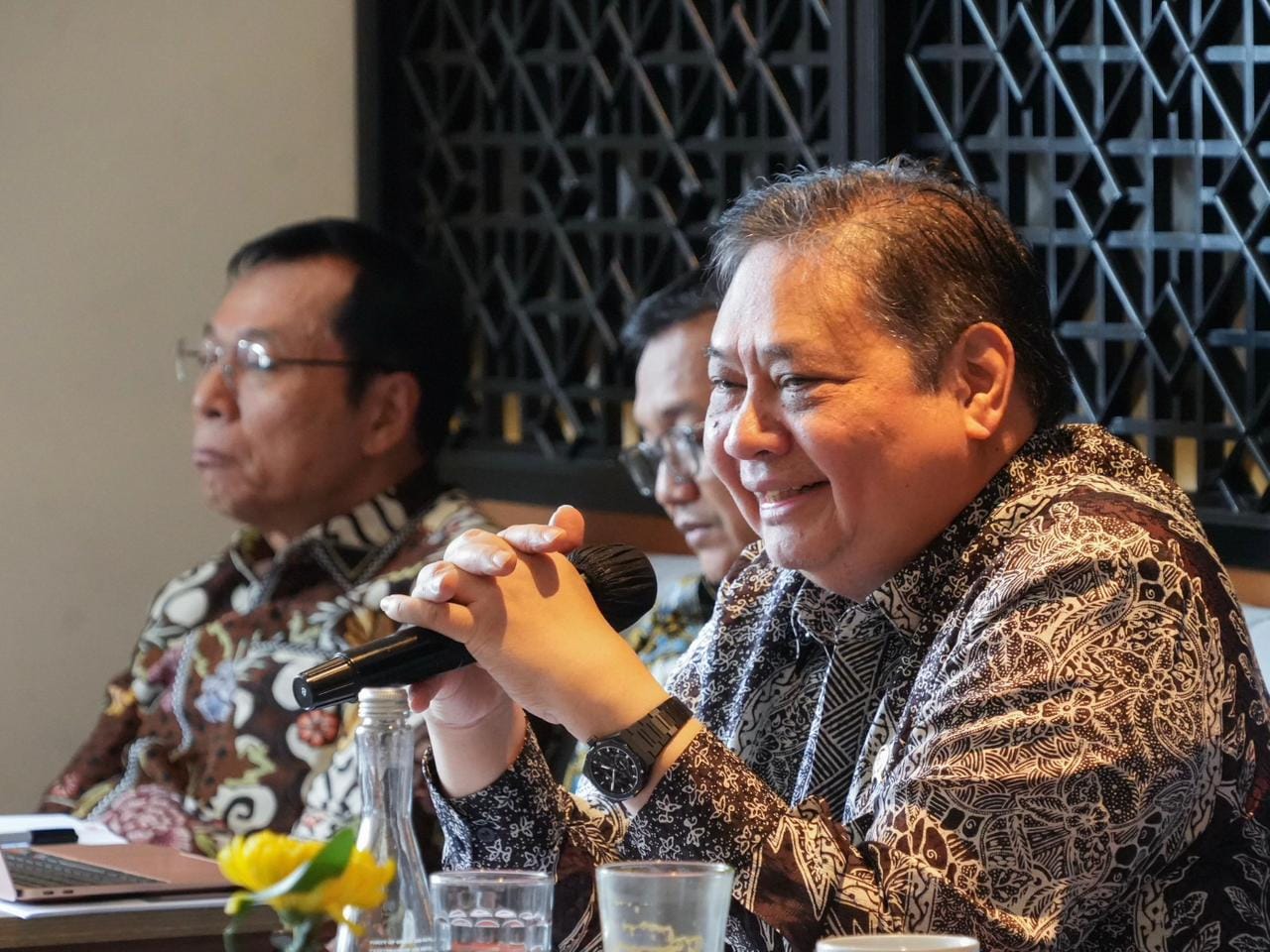
Last weekend, I, as Editor-in-Chief of SUAR, along with a number of other editor-in-chiefs, had the opportunity to chat with Coordinating Minister for the Economy Airlangga. In that casual conversation, Airlangga conveyed many things. Some are on the record, some are off the record. From the story of Airlangga, who is also a senior political figure, it is clearer what has happened and what might happen in the future.
The following are some excerpts of Airlangga's story answering questions from the editor-in-chief that can be quoted and are important for SUAR members, who are decision makers and movers of the business world universe.
What are the current conditions like?
The prologue is, first, if we talk about the economy, the fundamentals are relatively safe. Yesterday, we actually wanted to create negative sentiment and hoped that the demonstrations last week, on the 25th, 28th, 29th, 30th, would bring down the stock market.
Learning from the 1998 riots, usually to bring down the republic is done in two ways, namely lowering the rupiah and lowering the stock market. However, this time, that is not the case.
"The capital market is relatively immune to yesterday's movement," said Airlangga.
Airlangga also said that in the 300 days of President Prabowo Subianto's administration, many milestones have been achieved.
As part of its free and active policy, Indonesia has joined BRICS. Indonesia was also invited to the Shanghai Corporation Organization, which includes Russia and India, which combined with Indonesia represent more than half of the world's population. President Prabowo was unable to attend due to the political situation in the country. However, President Prabowo attended the 80th anniversary of the end of Japanese colonialism in China.
In order to strengthen foreign exchange, the policy of deposition of foreign exchange proceeds from natural resource exports in the country has also succeeded in reaching 90 percent, despite many oppositions. "With the DHE SDA policy, they feel disadvantaged," said Airlangga.
Strengthening UMKM has also been done by removing black books. The government has also strengthened the banking system with Bullian Bank.
"The 3 million house program has also started. Actually, the 3 million houses program is targeted at the middle class. However, the program that was expected to run immediately was overtaken by the demonstration yesterday," said Airlangga.
If this program can work, Airlangga continued, it means distributing Rp 25 million to the middle class to repair their houses. So this program creates jobs, repairs houses and so on.
"It is the same as labor-intensive programs in urban areas. Because we really want to thicken the program to solve poverty in the city. But this program cannot run alone without the involvement of the regional community," he explained again.
This condition also prompted President Prabowo to issue a Presidential Instruction, in order to synchronize central and regional policies and accelerate the development of schools, roads, irrigation.

Regarding middle-class unrest?
According to Airlangga, programs for the lower and middle middle classes, namely deciles 4,5,6,7, have been undermined. For example, the government has covered income tax for those whose income is below IDR 10 million.
The government has also covered the electricity costs of 90 million homes, costing Rp 10 trillion in two months. However, because the assistance is not given directly in the form of money, it is not felt.
"If incentivized like that, people feel that it's just an obligation, so it's normal," he added.
Going forward, the government will also continue to encourage assistance for the middle class, among others, there is a 6.5% increase in UMP and during the Nataru event, Lebaran we will provide full discounts.
What about Semester II?
In the second semester, we expect growth from government spending. We hope that government spending in K3 is expected to be 25% of the state budget and in K4 35%.
"So what is usually negative government spending in K1-K2, we hope it will reverse in K3 and K4," he said in addition to hoping from the multiefect of the Free Nutritious Meal program which will be more massive in many regions.
From an international perspective, according to Airlangga, at the end of August the European Union Commissioner will come to Indonesia. If the Indonesia-European Union economic agreement (IEU-CEPA) can run, it will increase exports.
"So if this can run, in the second semester of next year all import duties will be zero and it will increase our exports which have been 10-20%," he added.
Likewise, the Trans Pacific Economic Cooperation Agreement (CPTPP) will open the export market in Mexico. "If we can accelerate this, the Mexican market will open up. In Latin America, the biggest market after America is Mexico. Mexico has been subject to an average import duty of 20 percent," he explained.
Did yesterday's riots not discourage investment in Indonesia?
Airlangga believes that what happened yesterday is not related to investment.
Who mobilized the riots?
Airlangga did not answer but instead threw a question back, related to the symbols of protests that were widely circulated on social media.
"I ask now, what is 1312? Is it Indonesia? Do people in Kediri know 1.3.1.2? Do Pekalongan people know 1.3.1.2? And were there leaders yesterday? Who is the master?" Airlangga asked.
"Second, what are the outcomes ? The results? Did you get everything? So, this, nothing to do with investment right? Nothing to do with security. I'm not a politician," Airlangga said with a smile.
The former Chairman of the Golkar Party suspects that this demonstration is only targeting certain people. Therefore, he is confident that the investment climate, minority groups, all will be safe. Once all the goals were achieved, the riots stopped. However, conditions are still vulnerable and all parties must prevent events that are very detrimental to this nation from recurring.
In this social media era, he also reminded all parties not to easily indulge in luxury or hedonism because it offends many parties.
Regarding high unemployment, especially the drastic decline in formal workers?
The government continues to seek investment credit for labor-intensive activities.
"The government will continue to encourage, in addition to food and beverages, also furniture. These are industries whose exports have no limits, the sky is the limit," he explained.
Likewise with the shoe industry, apparel, as well as labor-intensive industries based on natural resources, whether it is palm oil, rubber," he explained.
Airlangga also believes that President Prabowo's political power remains strong, even stronger.
"Today, politics is stronger than it was 10 years ago," he said.