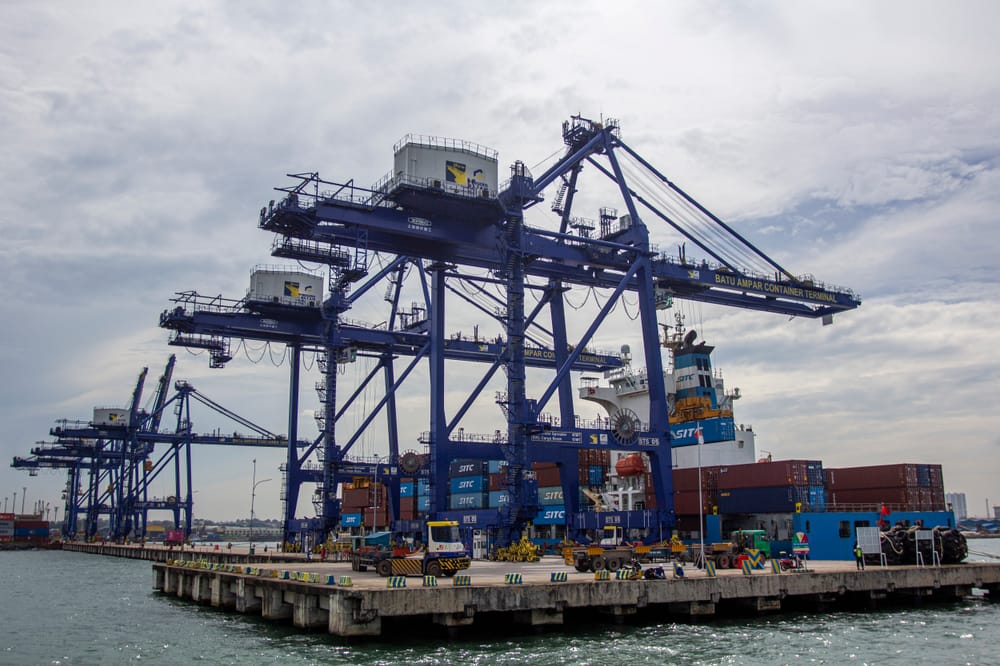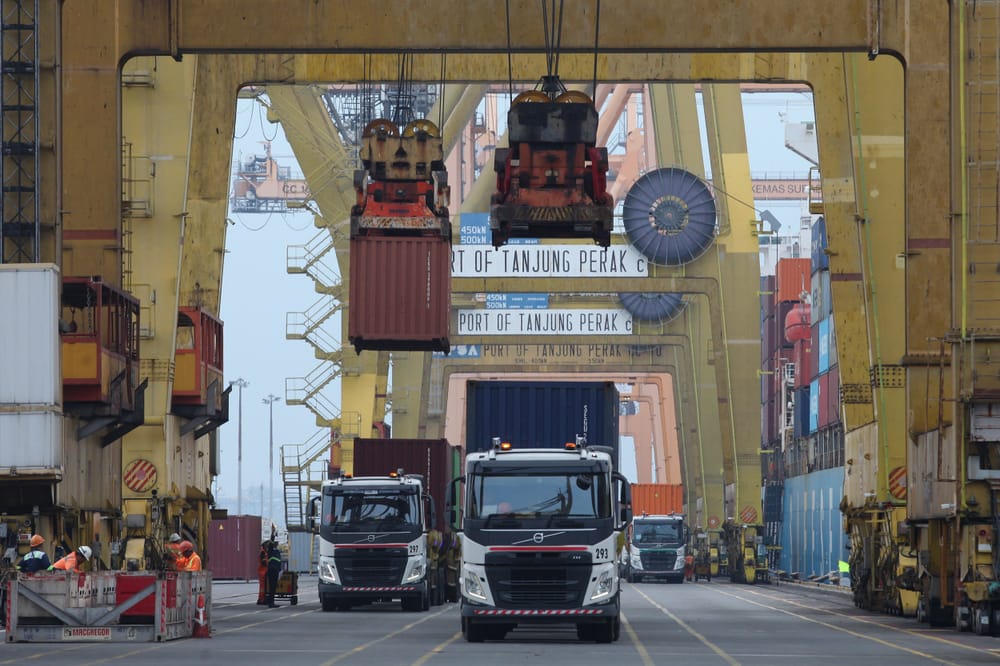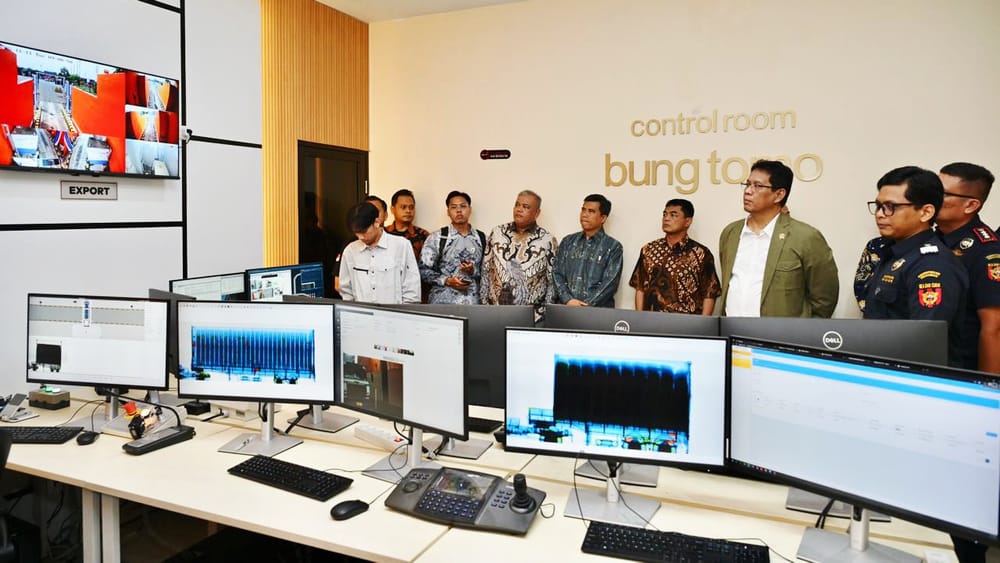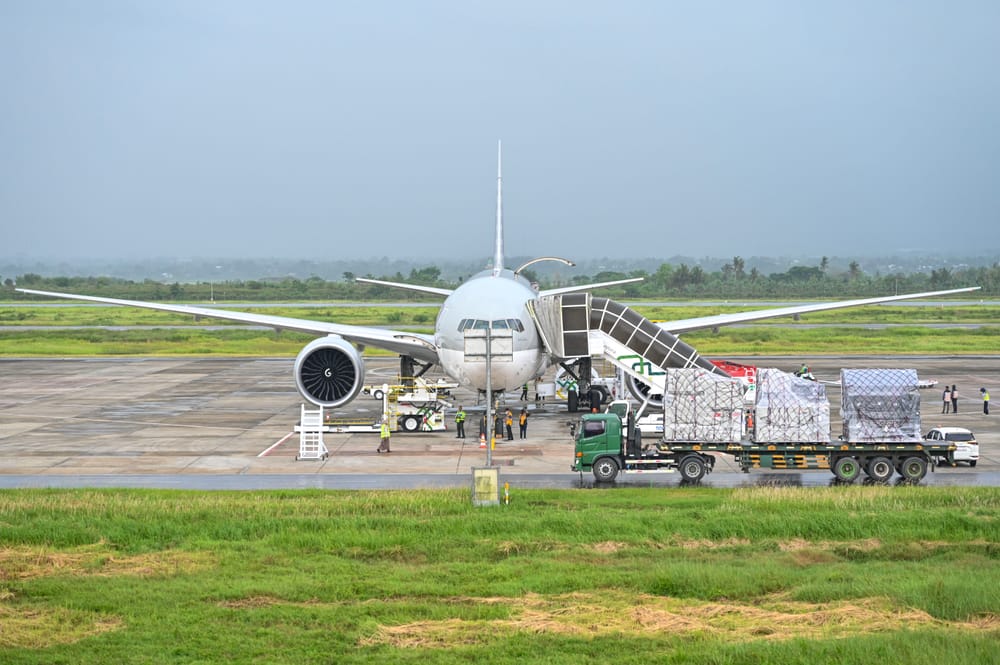

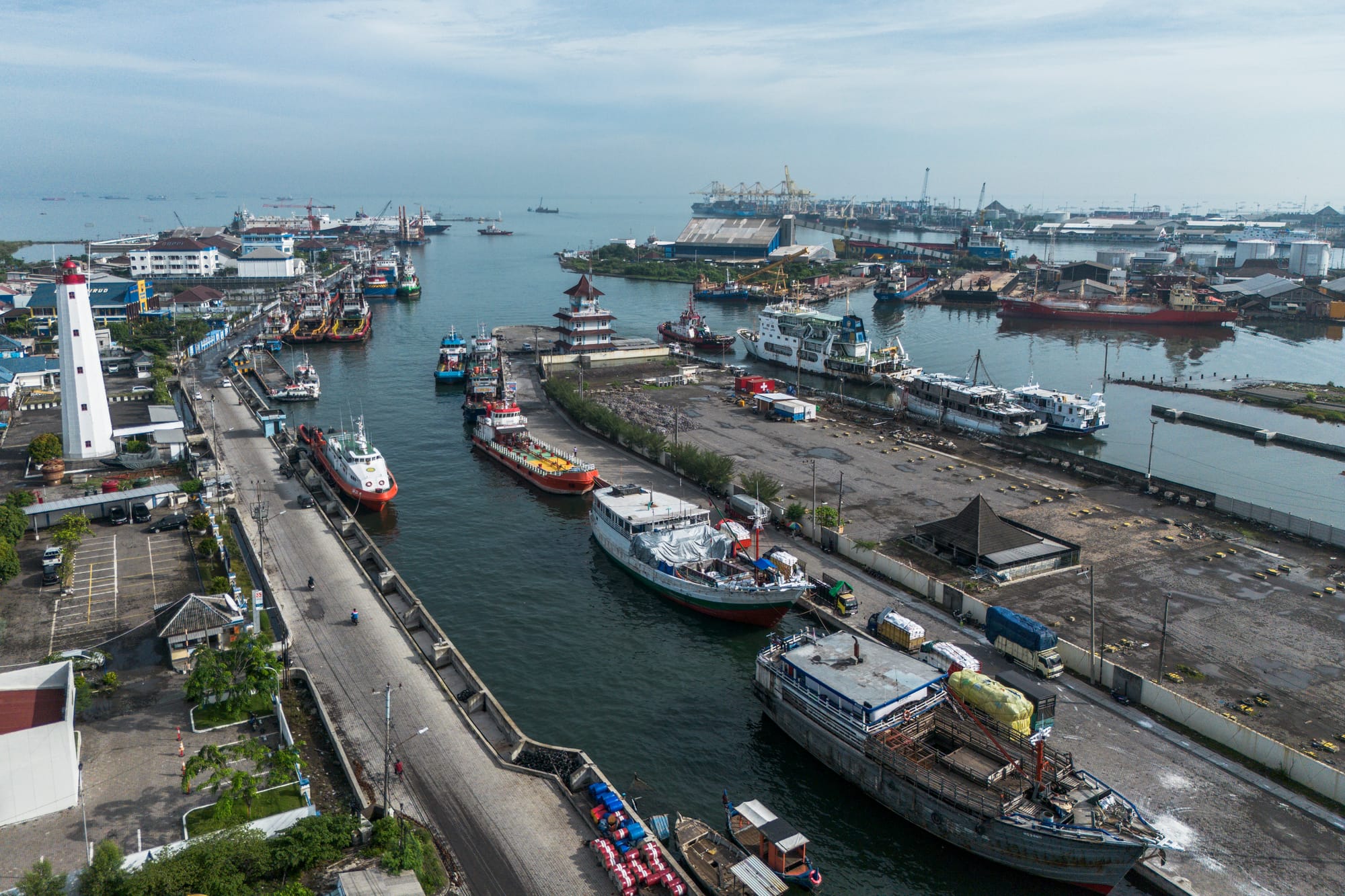
Indonesia needs to strengthen logistics institutions to reduce high logistics costs, and the role of logistics institutions is very important to encourage Indonesia's economic growth.
Supply Chain Indonesia (SCI) proposes three national logistics institutional models as part of efforts to encourage the logistics industry to grow sustainably.
The proposal is the result of a study titled "National Logistics Institutional Mapping 2025-2030" compiled by the SCI research team to encourage reform of national logistics governance.
SCI Founder and CEO Setijadi said that this study shows the urgent need to improve the logistics institutional structure so that cross-sectoral policies can run more effectively. The results of the study also complement the proposals of various parties regarding institutional needs in the logistics sector.
"The national logistics system is very sectoral. Each ministry runs a logistics program without strong cross-sector coordination. The establishment of a national coordinating institution is needed so that logistics policies can be integrated from the center to the regions," he told SUAR in Jakarta (11/20/2025).
In the study, there are three institutional model options to strengthen national logistics coordination. First, the Coordinative Model between Coordinating Ministries (Kemenko). This model strengthens the coordination forum across the Coordinating Ministries (Economy, Food, and Infrastructure and Regional Development). This model does not require a new institution, but its effectiveness depends on political commitment and formal coordination mechanisms.
Second, the National Logistics Agency (Balognas) model. This new institution under the President will integrate data, evaluation and policy on the national logistics system. This agency will be the clearing house for national logistics policy, as well as the center for inter-Kemenko coordination and technical ministries/agencies.
Third, the Ministry of Logistics Model. The long-term alternative is a specialized ministry that integrates all strategic national logistics and supply chain functions. However, this model is considered to require greater structural and regulatory changes.
Balognas is the main option
By keeping all three options open, SCI considers the formation of Balognas to be the most realistic and strategic option for the next five years.
With a direct mandate from the President, Balognas will be able to bridge inter-Kemenko, inter-K/L technical coordination, as well as between the center and the regions. This institution does not take on technical functions, but rather strengthens the synchronization and integration of national logistics system planning and policy formulation.
Setijadi added that the House of Representatives has included a bill on logistics in the 2025-2029 National Legislation Program (Prolegnas).
Any strategic law generally mandates the establishment of permanent institutions for its implementation. Therefore, the logistics law should contain explicit provisions on the establishment of permanent logistics institutions, with coordinative, regulative and evaluative mandates.
Transportation Minister Dudy Purwagandhi said an efficient and modern logistics system is one of the keys to strengthening the national economic structure. This was conveyed when closing the Indonesia Logistic Outlook 2026 Forum and the Indonesian Logistics and Forwarder Association (ALFI) Conference & Exhibition 2025 at ICE BSD, Tangerang, Banten, (14/11).
"President Prabowo has placed strengthening the national economic structure as a top priority. This is because the key to a strong economic structure is if the national logistics system is efficient, integrated and modern," he said.
Read also:
 Benedictus Krisna Yogatama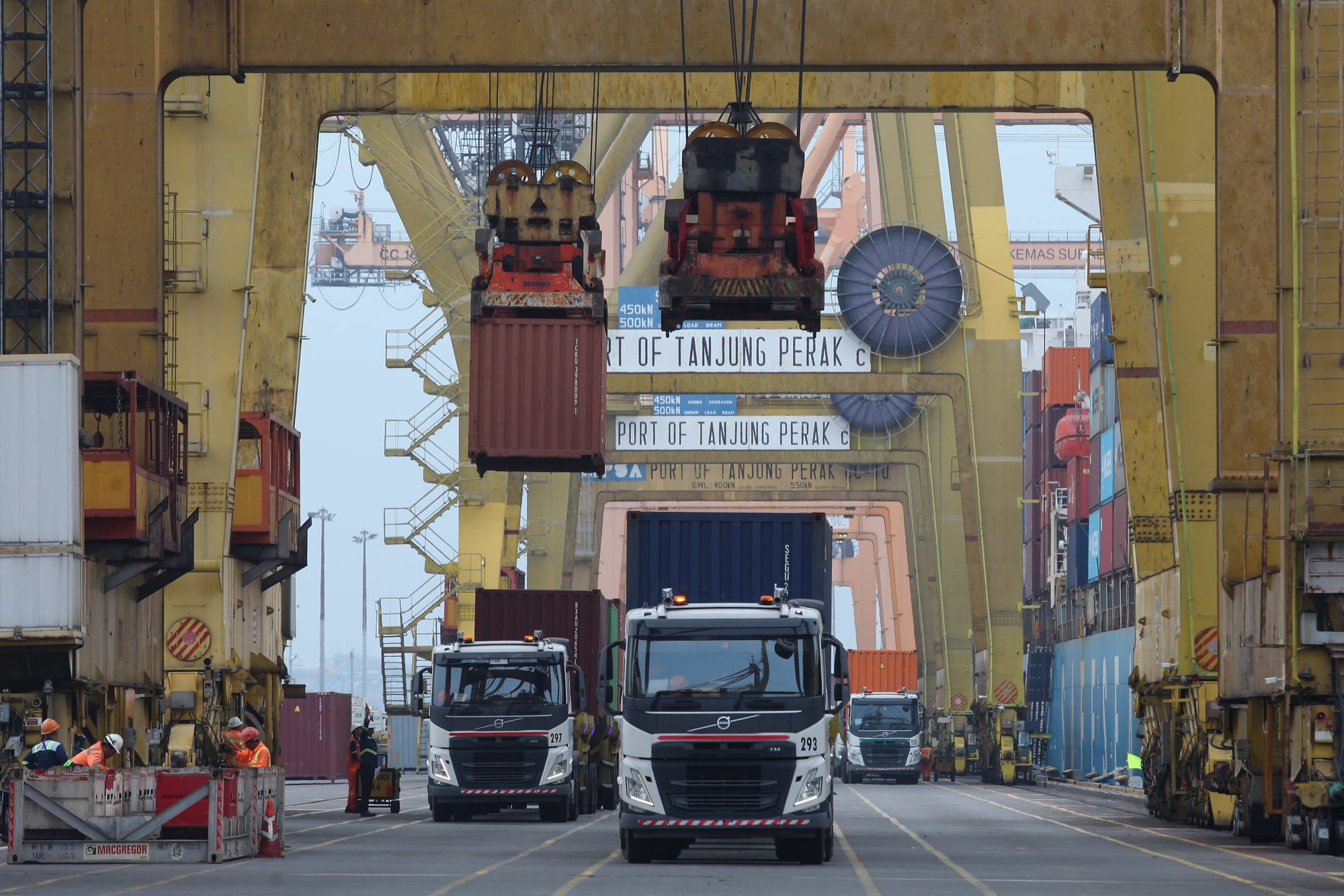
Transportation Minister Dudy explained that logistics is the economic pulse of a nation. In the future, he hopes Indonesia can become a modern logistics center in the Asia Pacific region.
The Minister said that ALFI currently has more than 4,000 member companies spread across 33 provinces in Indonesia, all of which are directly involved in the movement of domestic and international goods. According to him, this forum is an important forum to convey strategic policy directions as well as unite steps in strengthening supply chain competitiveness in Indonesia.
"With all of that, the foundation of the national economy according to Asta Cita will be more strongly supported. Economic growth will increase with the creation of new jobs, opening UMKM access to the global supply chain, empowering the local economy, to creating price stability and maintaining inflation," he said.
Development of rail transportation facilities
Business development efforts through rail transportation, logistics issuer PT Logisticsplus International Tbk (LOPI) continues to strengthen its strategic partnership with CRRC Qiqihar Co. Ltd. CRRC Qiqihar Co. Ltd. is one of the largest and most high-tech railway facilities manufacturers in China.
From a statement received by SUAR (20/11/2025), the partnership has been established since 2023, LOPI was appointed as the official representative of CRRC Qiqihar in Indonesia, through strategic cooperation which also involves PT INKA (Persero) and PT Kereta Api Indonesia (Persero) in the provision and development of rail-based freight transportation facilities.
This partnership covers the provision of various types of railway facilities, includingcoal hopper/carriers, container and general container cars,special containers for LNG and hydrogen, railway cranes and other technical support equipment.
In addition to the provision of railway facilities, the cooperation also includes human resource development programs and support for testing facilities(product reliability and testing) to ensure that all products meet safety standards and operational reliability.
As an initial realization of the cooperation, Batch I Technical Training was held in March 2025 and attended by young engineer staff of PT Kereta Api Indonesia (Persero). This program is designed to strengthen the technical competence of Indonesian railway human resources.
The training was conducted at CRRC Harbin's freight car maintenance facility, with materials covering inspection and quality assurance techniques, engineering & preventive maintenance, freight transportation operations, and product safety and reliability standards.
LOPI and CRRC Qiqihar are currently preparing an integrated solution to increase coal transportation capacity in South Sumatra, including the provision of facilities, supporting infrastructure, and new operational technology. The initiative is geared towards achieving a transport capacity of 20-36 million tons per year.
This solution includes engineering design of wagons, operational infrastructure upgrades, and support services to ensure efficiency and long-term stability of coal transportation.
LOPI is optimistic that with the presence of Danantara and the new Board of Directors formation at PT KAI, this initiative can be realized in 2025-2026. Strategic alignment between stakeholders is expected to accelerate the modernization of national rail logistics.