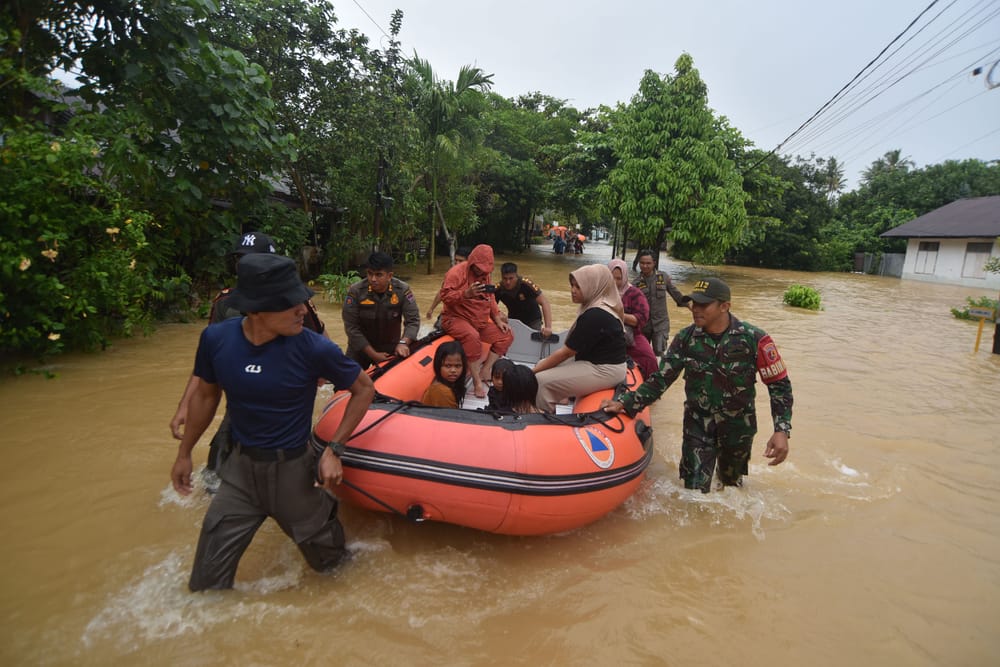

Land access was cut off, bridges collapsed, electricity was not yet fully restored, and hundreds of thousands of refugees were still staying in safe areas. It was against this backdrop of crisis that President Prabowo Subianto chaired a disaster management meeting in Banda Aceh on Sunday evening (December 7, 2025).
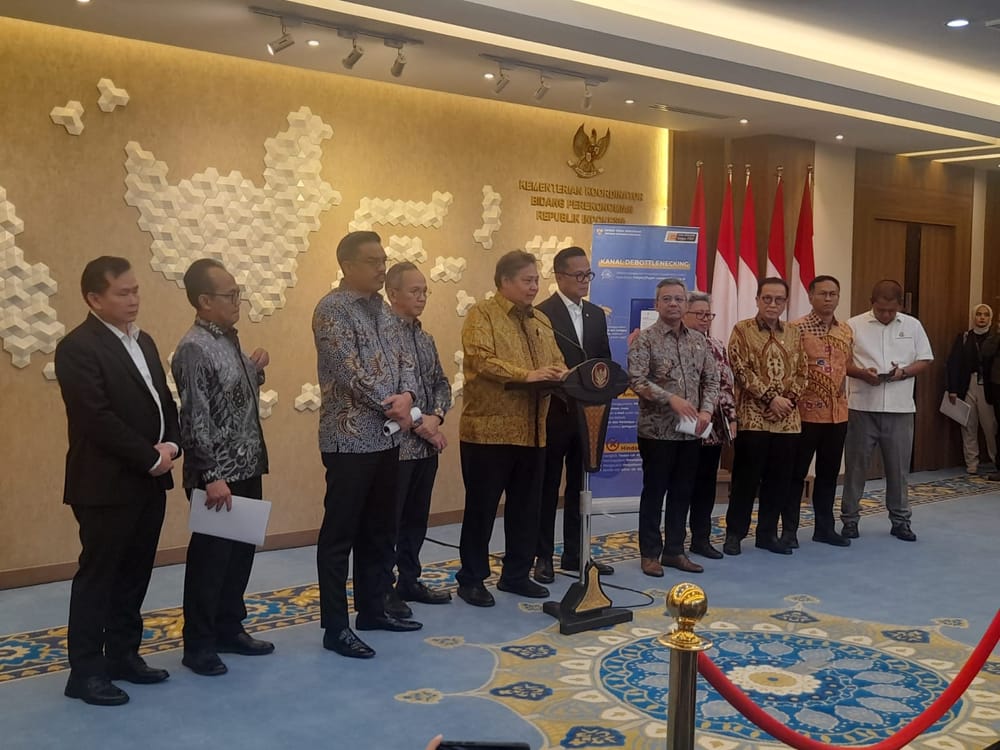
In the command center that serves as the new control point for flood and landslide management in Aceh, North Sumatra, and West Sumatra, the President sat facing key regional officials, accompanied by ministers, the Commander of the Indonesian National Armed Forces, the Chief of the Indonesian National Police, and officials from the National Disaster Management Agency.
"Thank you for your presence in Banda Aceh," said Prabowo as he opened the meeting on Sunday evening (7/12/2025). He had just returned from Bireuen, where he saw firsthand the construction of the Bailey Bridge being carried out by the Ministry of Public Works and the Indonesian National Armed Forces.
"I see that the work is good, and it is expected to be operational within a week."
Reports of victims and areas that remain cut off
Head of the National Disaster Management Agency (BNPB) Lt. Gen. Suharyanto explained that the latest data on the number of victims from the three affected provinces was 921 dead, 392 missing, and nearly one million displaced in the three provinces.
"In Aceh alone, 366 people died and 97 people are missing," said Suharyanto.
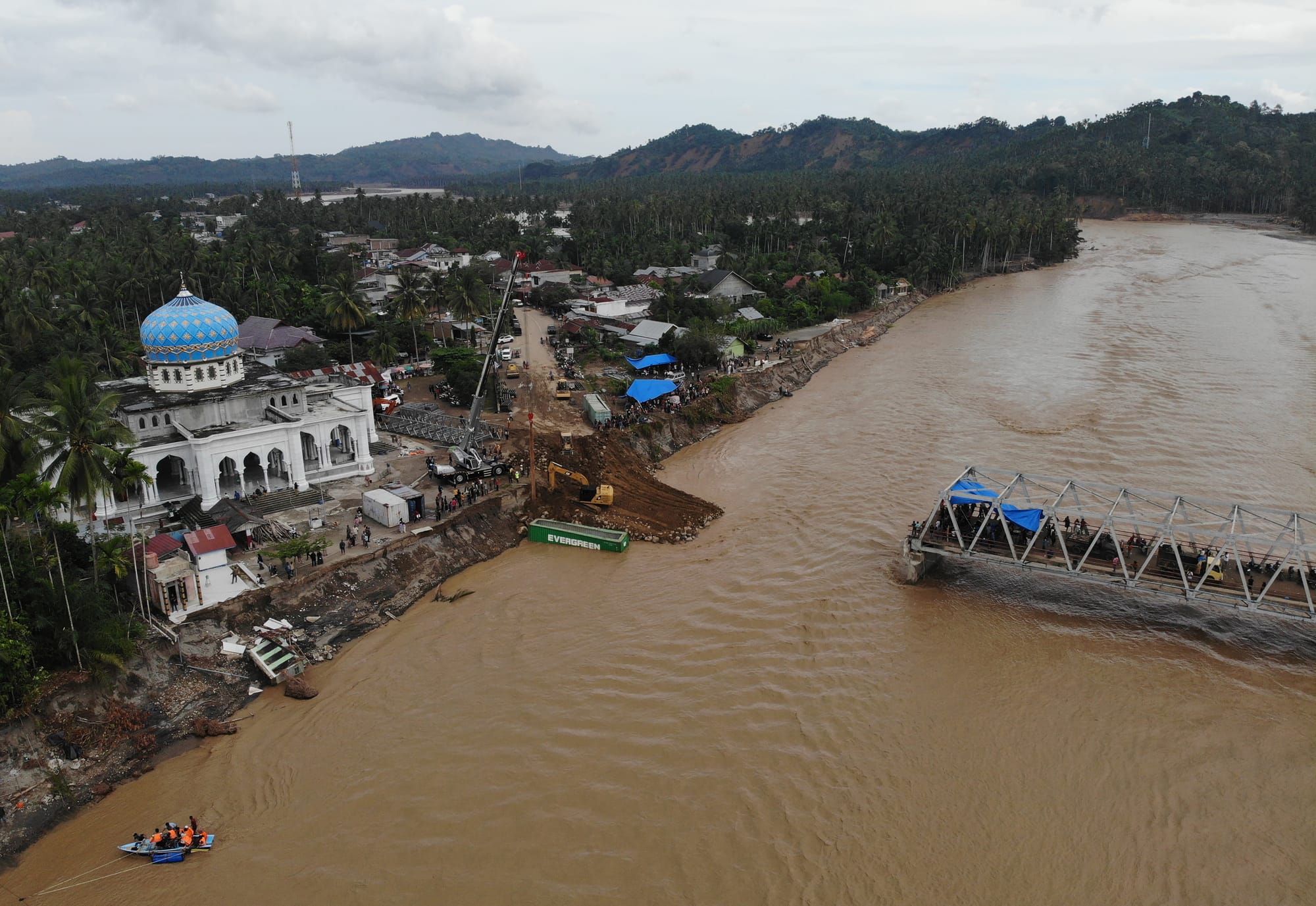
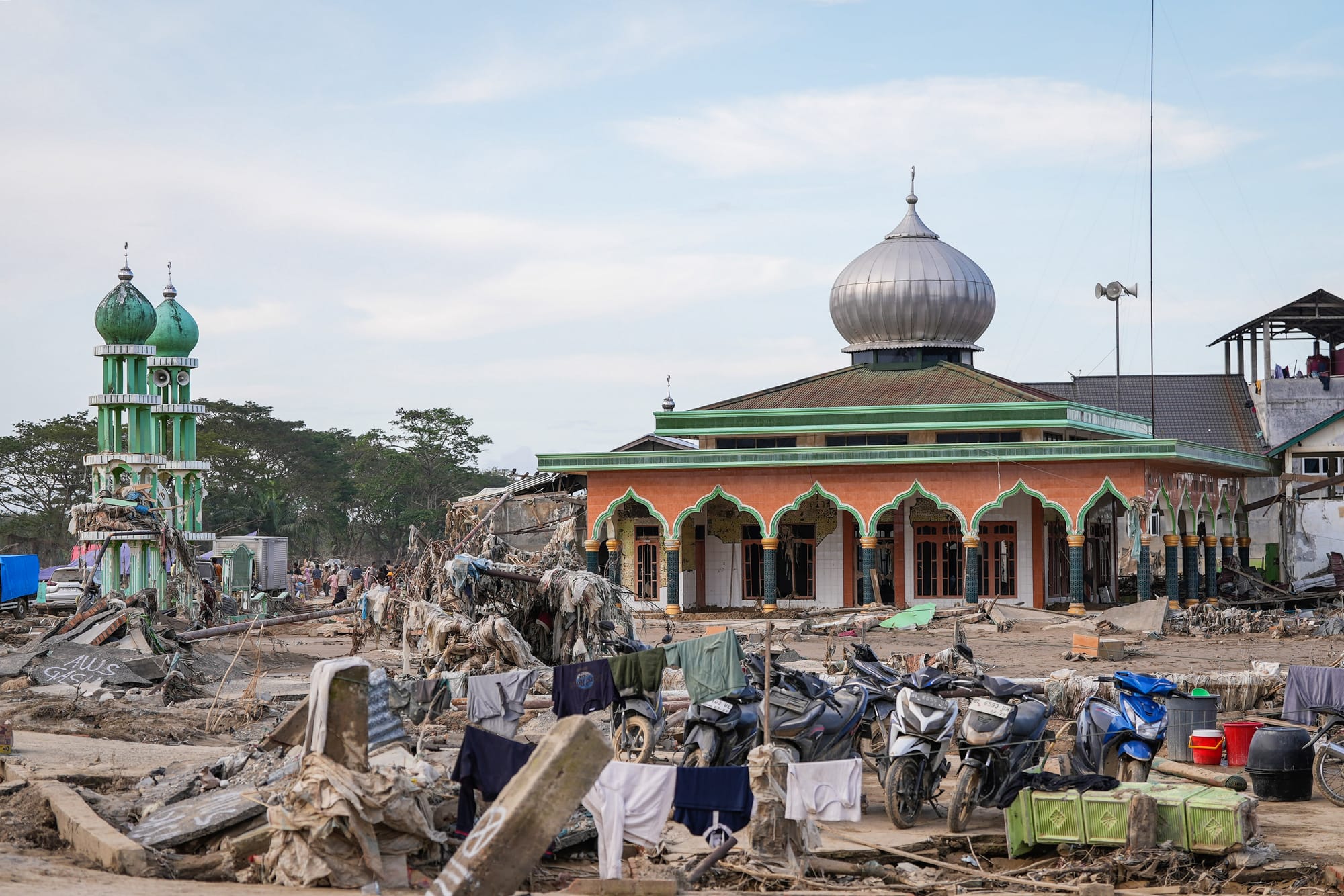
He specified two districts that remain completely isolated, namely Bener Meriah District and Central Aceh District, with hundreds of villages affected and no land access. The Merudu and Teupin Mane bridges are still broken, making the two districts, Bireun and Central Aceh, inaccessible by land.
The president interrupted several times, making sure that no basic details were overlooked. "The hundreds of villages that are not yet accessible by land, do they already have Wi-Fi?" he asked. Suharyanto replied that a minimum communication network was already operational through the installation of Starlink in the regent's office, sub-districts, and evacuation points. "No one is completely unable to communicate anymore," he said.
Electricity is the next concern. So far, 81 percent of Aceh has been restored to power. The rest, including Central Aceh, Bener Meriah, and Gayo Lues, are being restored through the delivery of materials and fuel by air. "We are sending them using Hercules aircraft, landing in Bener Meriah," said the Head of BNPB. Prabowo confirmed, "Can Hercules land there?" The answer was emphatic: "Yes, Mr. President."
The report shifts to health services. Six of the 65 hospitals in Aceh are still operating partially. A total of 251 of the 390 community health centers are back in operation. However, the main focus, as conveyed by Health Minister Budi Gunawan Sadikin, is the post-disaster phase, when diseases begin to threaten survivors. Three types of diseases are of concern: respiratory tract infections, diarrhea, and skin diseases.
To anticipate a surge in cases, the government has deployed three medical helicopters that will function as mobile clinics, "moving without the burden of logistics distribution," said Budi.
But the biggest problem is medical personnel. The Minister of Health acknowledged, "There is still a shortage of doctors." Prabowo immediately approved the request for additional doctors, even opening up the option of deploying interns and trainees. A total of 74 internship doctors are ready to be deployed.
Infrastructure
Public Works Minister Doddy Hanggodo reported on the progress of the emergency bridge construction. Three Tamin Mandi bridges are targeted for completion on December 10, followed by three other bridges, such as Halukulus and Mundirangka, before the end of the month. A total of 35 Bailey bridges are needed, while only 27 are currently available.
Outside the bridge, more than 700 generators were prepared for villages without electricity. BNPB estimated that the recovery needs in Aceh would reach Rp25.41 trillion; West Sumatra would need Rp13.52 trillion; and North Sumatra would need around Rp12.88 trillion.
BNPB requested permission to accelerate the construction of type 36 temporary shelters complete with bathrooms. Each family will stay for a maximum of one year before being moved to permanent shelters, with an estimated cost of around Rp60 million per unit.
TNI Commander Agus Subiyanto reported the deployment of 32,915 personnel. The air operation was quite massive: 19 transport planes, 50 helicopters, including helicopters rented by BNPB. At sea, 16 KRI ships were operating, two of which were hospital ships. More than 1,500 tons of logistics were dropped via airdrops and limited landings. Each drop was monitored by soldiers at the drop point "so that nothing was lost." Prabowo emphasized that every parachute had to be collected, "don't lose them," he said.
The Indonesian National Police added 12,397 personnel for DVI, trauma healing, victim search, and logistics security. As of the time of reporting, 903 bodies had been handled, 221 of which had not yet been identified due to limited cold storage capacity.
PLN President Director Darmawan Prasodjo added to the statement made by the Minister of Energy and Mineral Resources (ESDM) by reporting that four cities that were previously in darkness are now lit up again.
"This acceleration would not have been possible without the TNI," said the PLN representative. Pertamina followed up with a report on the distribution of fuel and LPG via Hercules and sling rope options from helicopters. "So that the refugee kitchens can function," he said.
Sumatra's economy shaken: national repercussions
Beyond the humanitarian impact, this disaster has hit the economic structure of Sumatra, a region that contributes 22.12 percent of the national GDP. The three most affected provinces, Aceh, North Sumatra, and West Sumatra, account for more than a third of the island's economy.
In North Sumatra alone, the agricultural sector, including palm oil, contributes Rp158.95 trillion. The 2025 Plantation Statistics Book notes that these three provinces have 3.13 million hectares of palm oil plantations, producing 7.43 million tons of fresh fruit bunches per year.
GAPKI Chairman Eddy Martono said the impact of the flooding on production was not as severe as initially feared. "The damage to the plantations was not as extensive as that to residential areas," he said. The biggest challenges were road access and CPO transportation. "The most affected areas were road access and CPO transportation. That is what was disrupted."
However, CELIOS' quick calculations paint a bleaker picture. Total national losses are estimated at Rp68.67 trillion, or 0.29 percent of GDP.
“When one region in Sumatra is paralyzed, the impact does not stop there,” said CELIOS Executive Director Bhima Yudhistira. “The national supply chain is also affected.”
The greatest losses came from damaged houses, broken bridges, failed rice harvests, loss of household income, and road damage. CELIOS estimates that Aceh will experience the deepest economic contraction, shrinking by 0.88 percent or the equivalent of Rp2.04 trillion, followed by North Sumatra (Rp2.07 trillion) and West Sumatra (Rp2.01 trillion). "This is not just a matter of floods cutting off roads," said Bhima. "This is about how one natural event can shake the economic structure of an island and then the nation."
176 SPPG Kitchens Become Emergency Kitchens
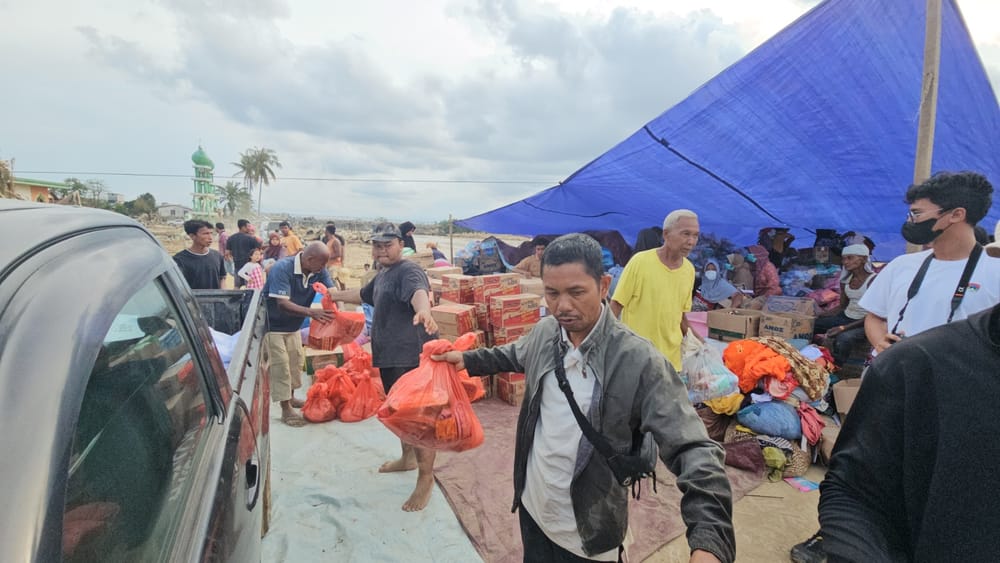
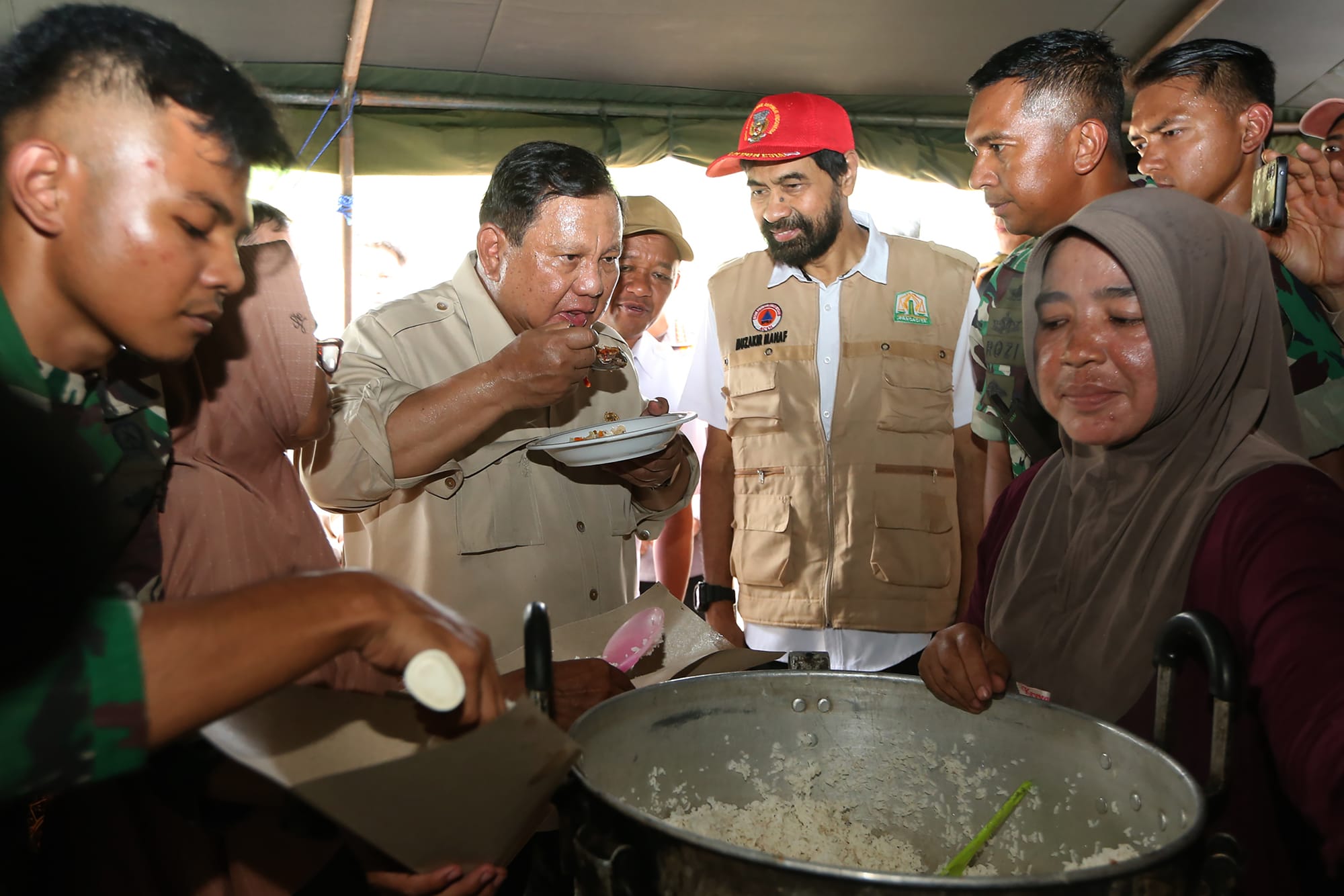
Amidst infrastructure paralysis and limited distribution access, the kitchens of the Free Nutritious Meals Program (MBG) have been converted into emergency kitchens. The National Nutrition Agency (BGN) has ensured that 176 Nutrition Fulfillment Service Units (SPPG) are now working full capacity to provide food for affected residents.
A total of 122 SPPGs are operating in Aceh, distributing more than 568,587 food portions. In North Sumatra, 50 SPPGs distributed 367,111 meals. West Sumatra operates four SPPGs with a total of 4,316 meals for those affected in Agam and Solok. "SPPGs continue to move quickly to ensure that the nutritional needs of the community are met during the emergency response period," said BGN.
Read also:
 Benedictus Krisna Yogatama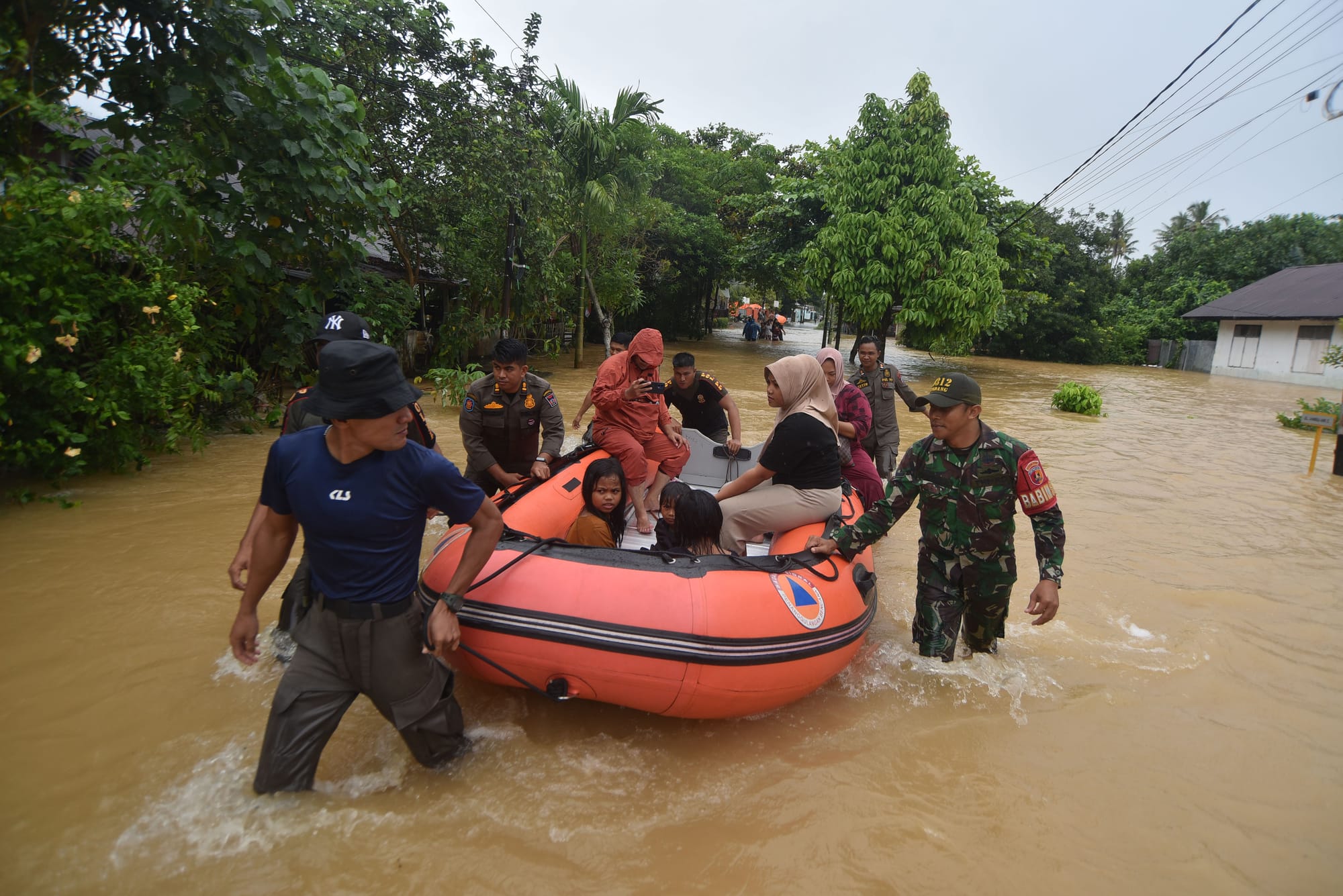
According to Yusuf, a researcher at CORE, the existence of SPPG is actually the fastest instrument in the field. "The availability of SPPG as an emergency tool is very important," he told Suar on Sunday (7/12). However, he reminded that strict supervision is needed to ensure that the budget transfer is on target. "SPPG has the potential to be the first instrument in post-disaster rehabilitation, but inter-agency coordination remains key."
The BGN Expert Council, Prof. Epi Taufik, considers this step appropriate. "Children still need to eat even though schools are closed. So the SPPG kitchen can function as an emergency public kitchen," he said in a written statement to Suar 7/12). But he reminded the need for a legal umbrella and food safety standards. "During a disaster, the main thing is not to go hungry. But food safety remains crucial. If we've already suffered a disaster, we don't want to also suffer from food poisoning."
When the country moves, small kitchens keep citizens breathing
Amid coordination meetings, helicopter operations, and calculations of trillions of rupiah in losses, these small kitchens, from government command posts to school cafeterias, became lifelines that kept refugees going. When logistics were hampered and electricity had not yet been fully restored, the smoke rising from large pots was a sign that residents could still eat and survive.
However, experts agree that the success of this mobilization must be followed by systemic reforms: a legal framework for SPPG in emergency situations, integrated SOPs between agencies, clear financing mechanisms, and long-term program designs for recovery. "It would be better if a legal framework were also created for this in the future because state funds are being used. Food safety standards must be the same, especially during disasters when clean water is scarce and the evacuation environment is less than ideal," added Prof. Epi.
Prabowo concluded his speech with one sentence that he repeated many times: "The interests of the people are more important."