
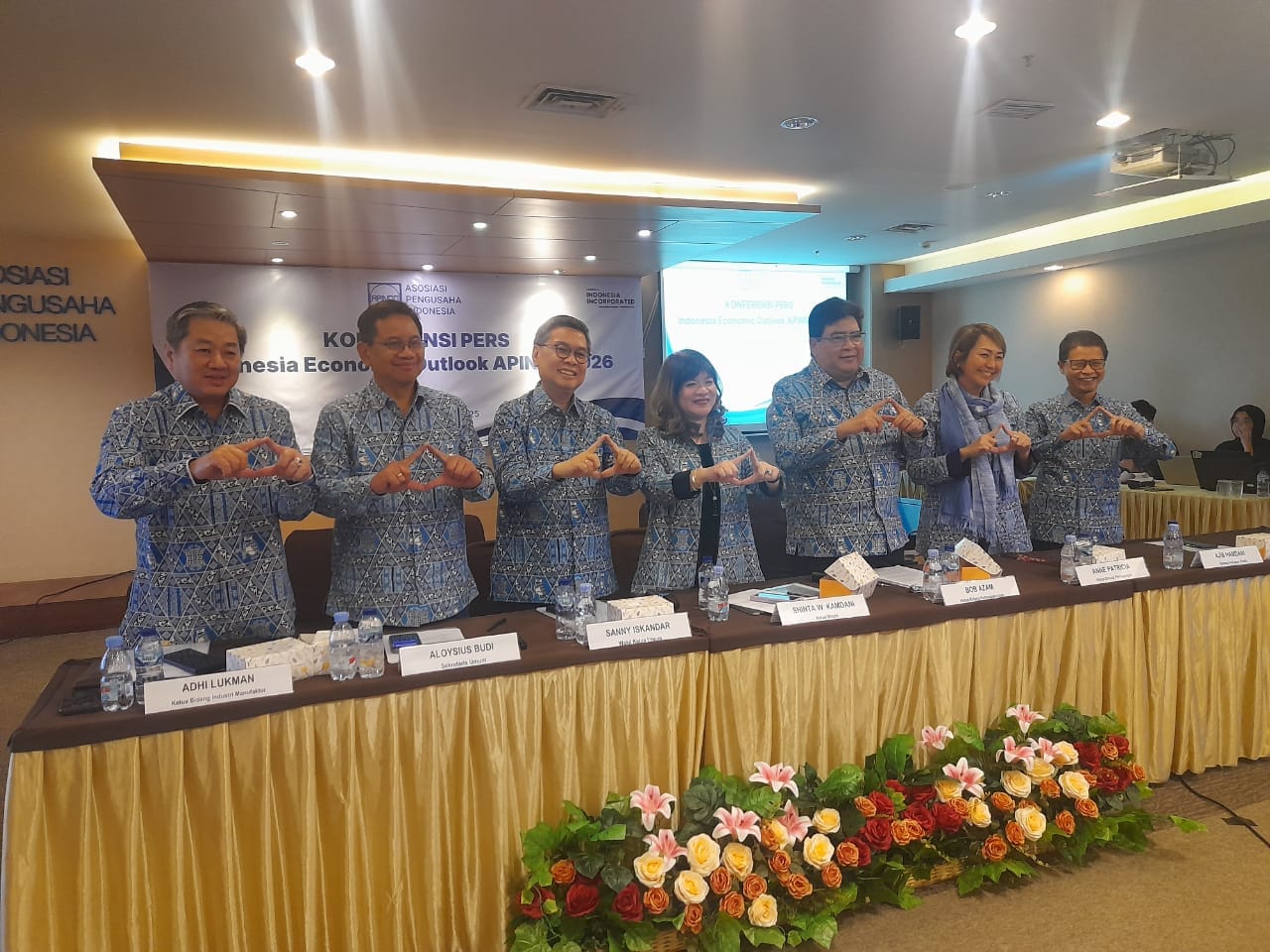
The Indonesian Employers Association (Apindo) estimates that economic growth in 2026 will be in the range of 5.0% to 5.4% (yoy). This paints a positive outlook, but caution is still needed regarding various potential risks.
Apindo Chairwoman Shinta W. Kamdani said that her organization projects that the first quarter of 2026 will be the period with the strongest momentum, supported by seasonal drivers such as New Year, Chinese New Year, Ramadan, and Eid al-Fitr, which are believed to have a significant multiplier effect on the trade, logistics, accommodation, tourism, and consumer industries.
However, Apindo warns of potentialgrowth deceleration in the second and third quarters following the easing of seasonal effects, and hopes for policies that support growth. This is amid global uncertainty, including geopolitical tensions, trade fragmentation, and potential policy shocks such as reciprocal tariffs.
Apindo considers it important to strengthen industrial competitiveness and anticipate external pressures that could affect trade flows and exchange rates.
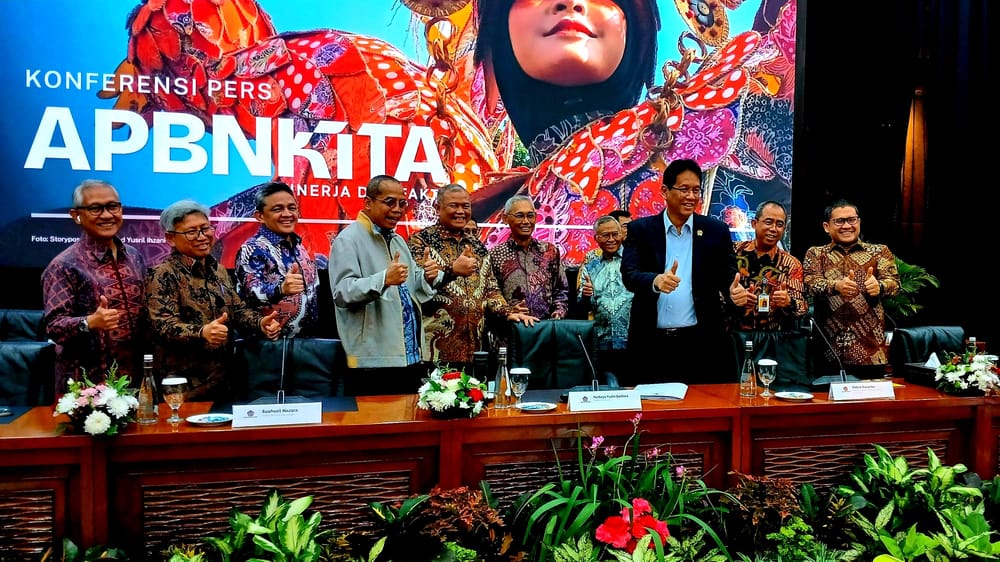
"Apindo also highlighted that a number of business sectors are still lagging behind national growth, a condition that underscores the need for cross-sector strategies to promote more inclusive and sustainable growth," he said at an Apindo press conference on the 2026 Economic Growth Outlook, at the Apindo office, Permata Kuningan Building, Jakarta (8/12/2025).
Macroeconomic indicators
To encourage growth, Apindo considers macroeconomic stability to be a prerequisite that must be maintained. Apindo Deputy Chairman Sanny Iskandar projects inflation in 2026 to be around 2.5%, in line with BI's target, supported by maintained expectations, adequate production capacity, and stable import price pressures.
Volatile food inflation is also expected to remain low thanks to coordination between the TPIP and TPID and the strengthening of food security. The 2026 state budget deficit is projected at 2.7%–2.9% of GDP, meaning that fiscal discipline through revenue optimization, spending efficiency, and fiscal risk mitigation remains crucial.
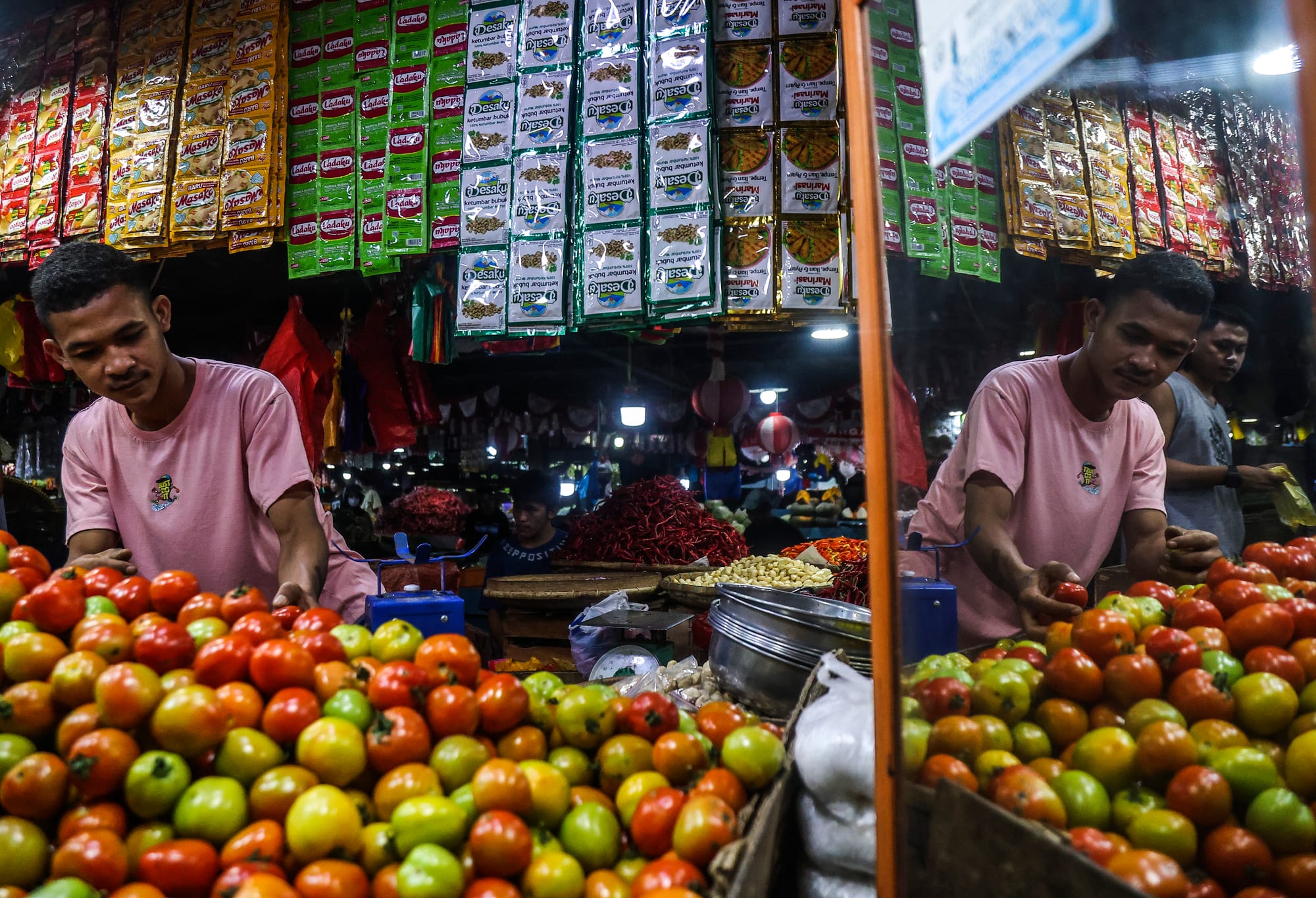
The rupiah is expected to move between IDR 16,500 and IDR 16,900 per USD, reflecting strong external pressures due to global volatility and the potential for Fed interest rate hikes following a surge in US inflation. Under these conditions, there is room for BI to cut interest rates in early 2026, although this may be limited if imported inflation increases.
BI needs to balance exchange rate stability and support for growth. Credit growth in 2026 is expected to be moderate, continuing the slowdown since 2025, and only gradually recovering to high single digits or low double digits.
To maintain momentum, investment and exports are the main drivers. The 2026 investment target of Rp 2,175 trillion is considered achievable with the prerequisites of 13%–17% growth per quarter, ongoing strategic projects, improvement in the business climate, and the impact of downstreaming.
"Exports need to be more consistent in the range of 7%–16% (year-on-year) so that the contribution of the external sector strengthens and becomes the foundation for accelerating national economic growth," he said.
Export opportunities remain open
Chairperson of Apindo's Trade Division Anne Patricia Sutanto said that export opportunities from the reorientation of the global supply chain will remain open next year. Market diversification to Africa, Central Asia, and Latin America needs to be accelerated, while maintaining strong trade relations with China, the US, India, and Malaysia.
Optimism surrounding the trade agreement with the US and the acceleration of 19 PTAs/FTAs/CEPAs, 12 ratifications, and 14 negotiations, including the EU–CEPA 2027, are important instruments.
Read also:
 Tria Dianti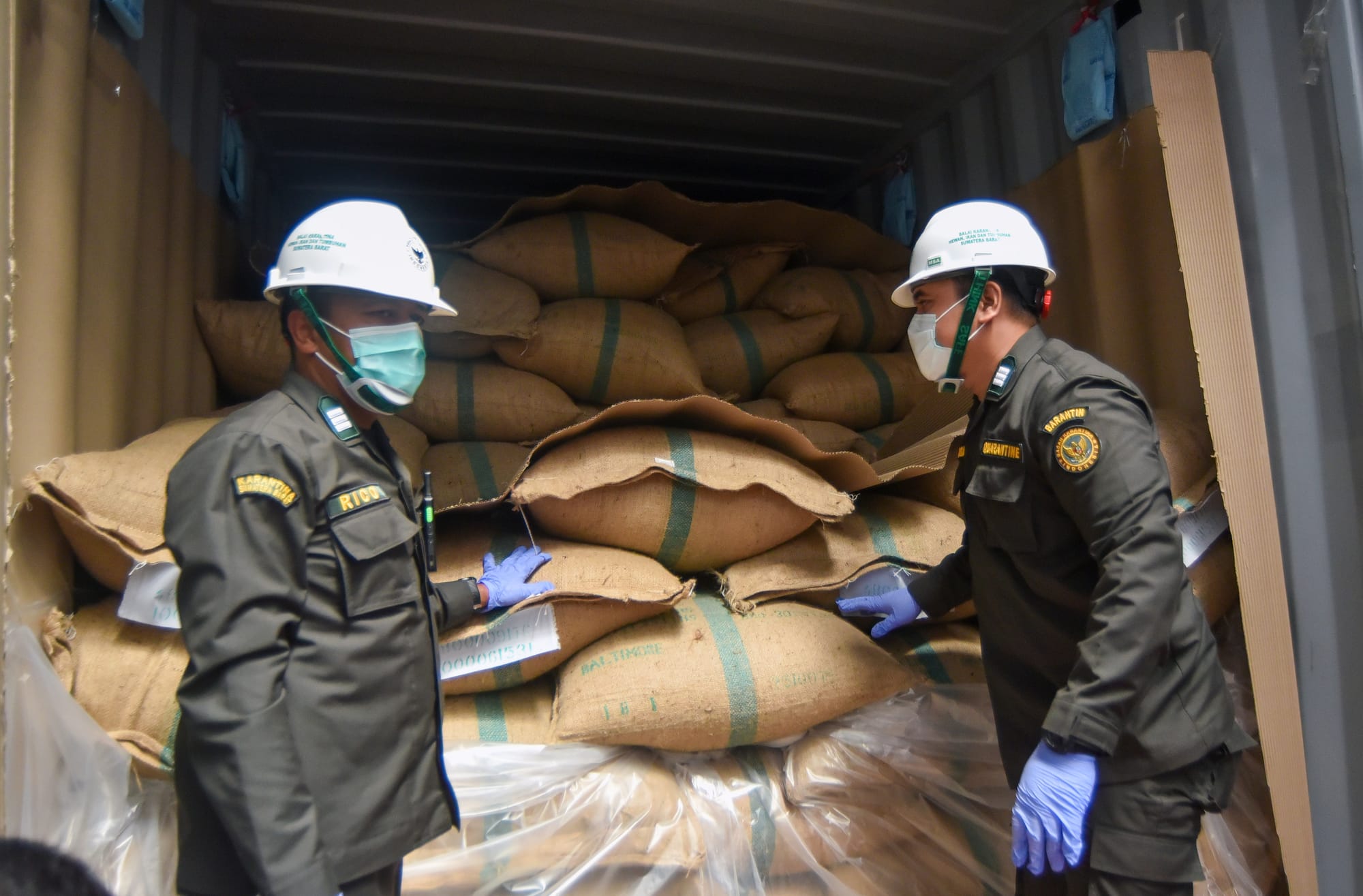
Indonesia must also be wary of a surge in imports due to US tariffs and weakening demand in key markets. Domestically, he said, fiscal pressure from TKD cuts and tax shortfalls requires the modernization of tax administration.
Apindo also emphasized the importance of maintaining a balanced 2026 wage policy that is data-driven, preserves industrial competitiveness, and creates widespread employment, in line with the provisions of Government Regulation No. 36/2021 in conjunction with Government Regulation No. 51/2023 and the decision of the Constitutional Court.
Next year's strategic agenda
The Head of the Manufacturing Industry Division of the Indonesian Employers Association (Apindo), Adhi Lukman, identified a number of strategic agendas that need to be prioritized by the government and business actors to strengthen the foundations for growth. These include accelerating economic transformation, leveraging the large investments attracted by downstreaming, and moving forward with commodity-based industrial policies, integrated clusters, research, and the involvement UMKM.
The government's priority programs must be monitored to ensure they have a multiplier effect, including downstreaming, digital-green transition, acceleration of the 3 Million Houses Program, strengthening of MBG, readiness of Kopdeskel Merah Putih, and expansion of the National Apprenticeship Program.
"Food and energy security needs to be strengthened through upstream-downstream partnerships, fiscal support, agricultural digitization, and skills enhancement in the critical energy and mineral sectors," he said.
Regulatory and labor reforms are also urgent. Technical and regional deregulation needs to continue in order to reduce economic costs and encourage investment. Labor policies must be more aligned with the economic structure by focusing on high-elasticity sectors, expanding formal employment, and improving skills in line with industry needs.
Previously, in the Macro Economic Outlook for Q4 2025, on Monday (3/12/2025), Bank Mandiri Chief Economist Andry Asmoro explained that his party estimates that the Indonesian economy has the opportunity to grow by 5.2% in 2026, driven by household consumption, investment recovery, and more expansive fiscal policies. The government's strategic programs are projected to have a multiplier effect on various sectors, particularly manufacturing, processing industries, and labor-intensive sectors.
From an intermediation perspective, Andry believes that the banking sector is in a favorable position. This can be seen in Bank Mandiri's lending growth of 11% year-on-year (YoY) in the third quarter of 2025, which is higher than the industry average, supported by demand for productive financing and improved liquidity. The dominance of current accounts and savings accounts (CASA), also known as low-cost funds, also helps maintain funding cost efficiency.
Andry further emphasized that optimism regarding economic recovery will remain intact as long as policy coordination continues to be effective. In this case, synergy between the government, regulators, and industry players is a key factor in maintaining stability, strengthening national productivity, and opening up opportunities for accelerated growth in the coming year.